“Fuji ACROS with a Red 25A Filter”
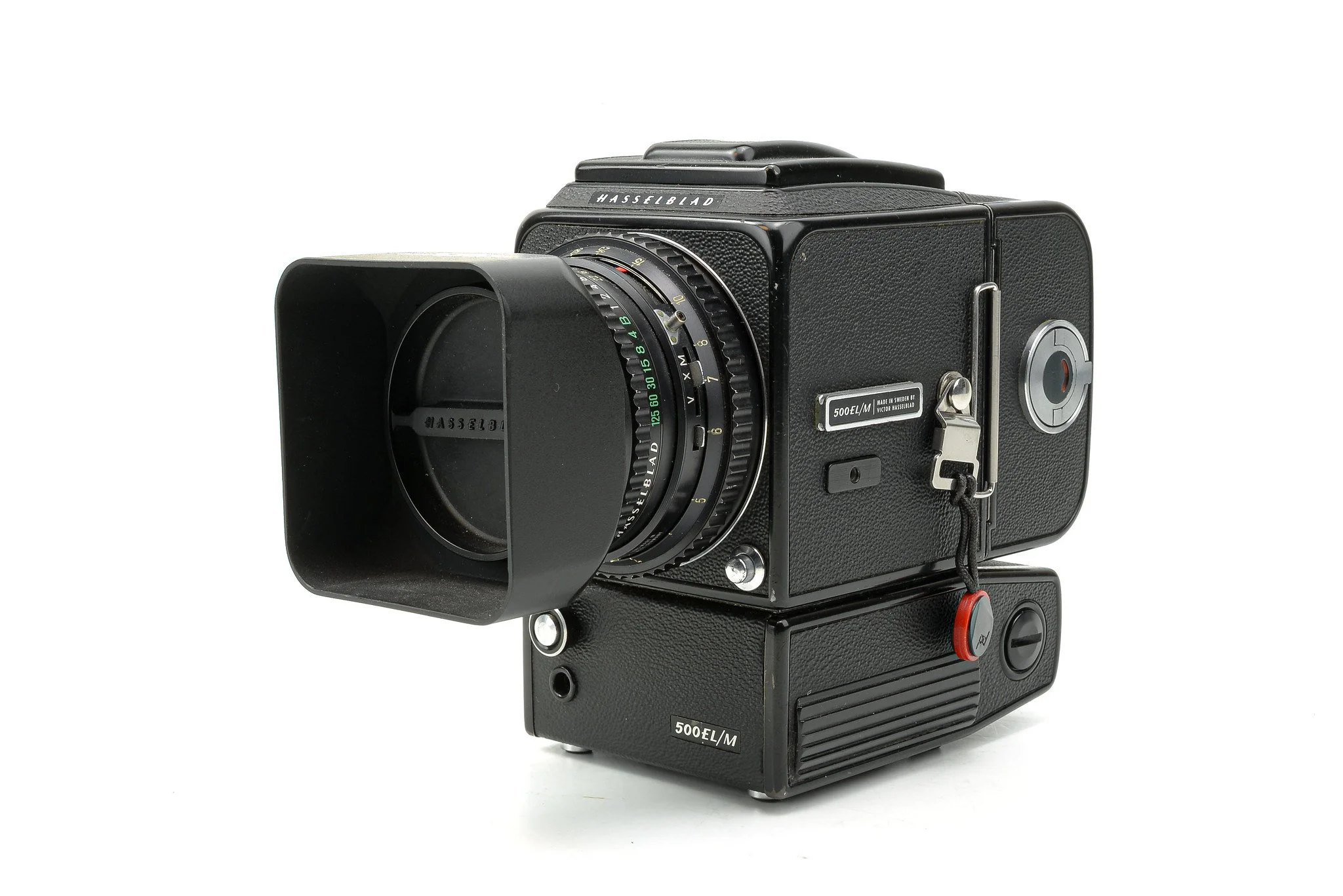
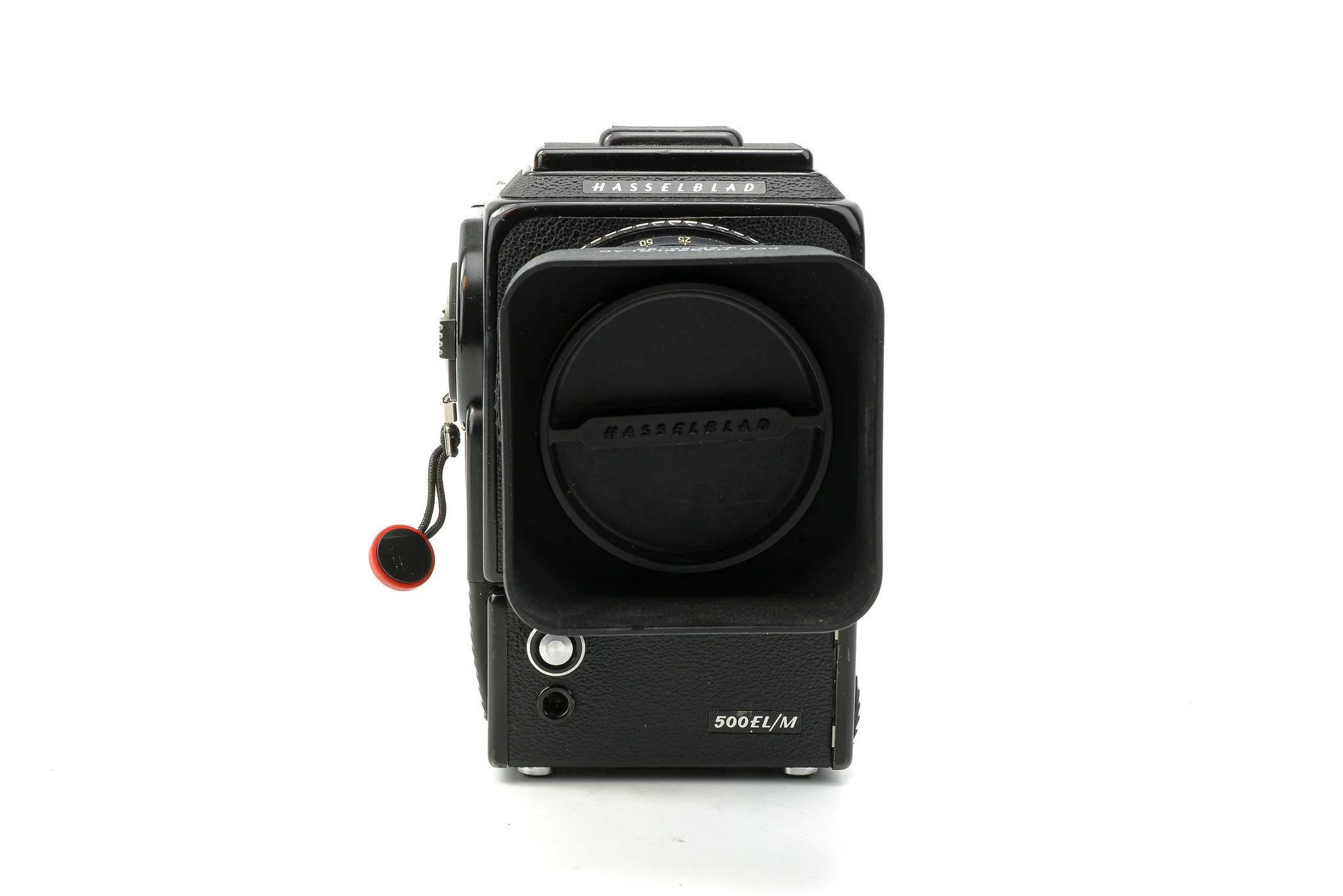
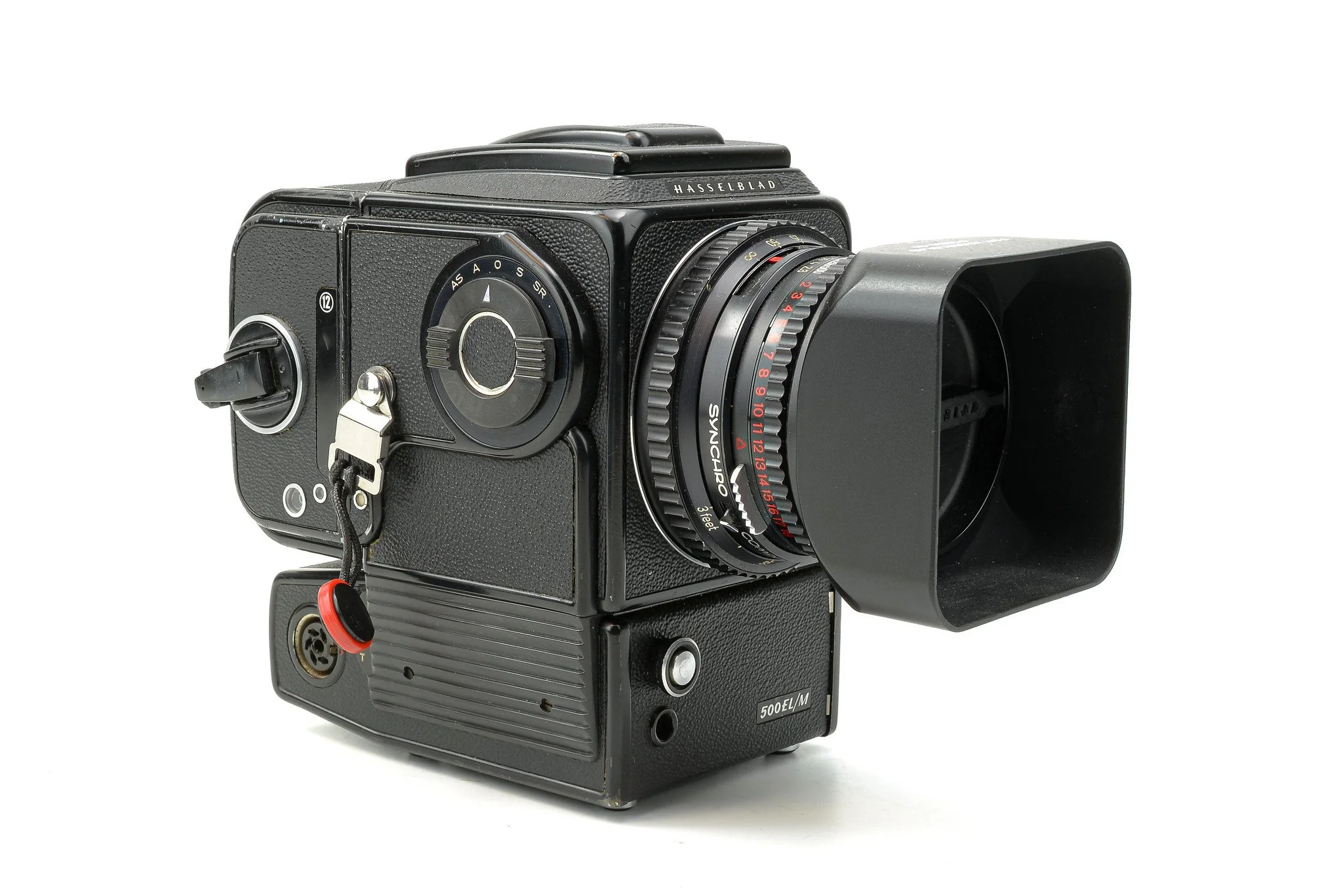
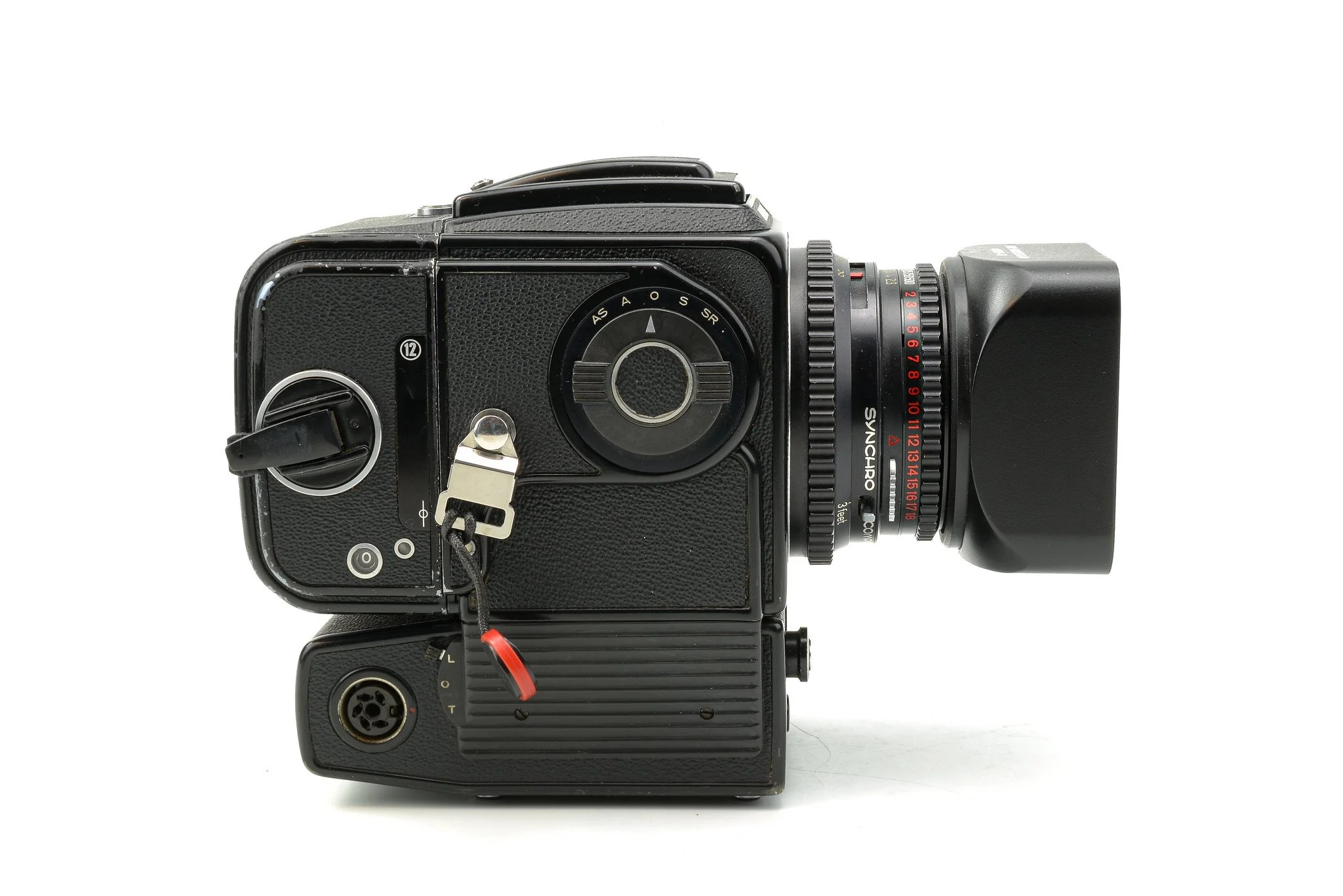
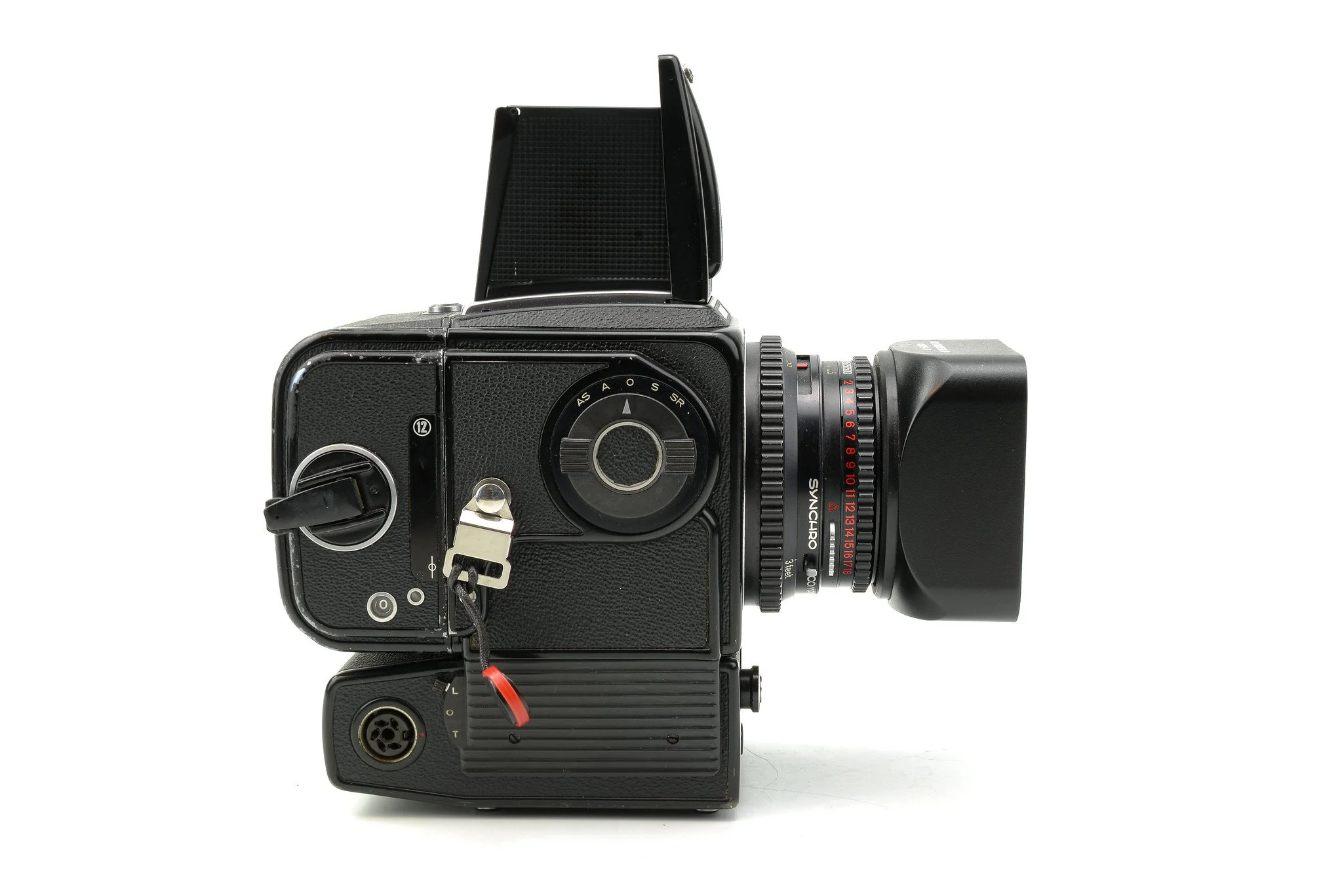
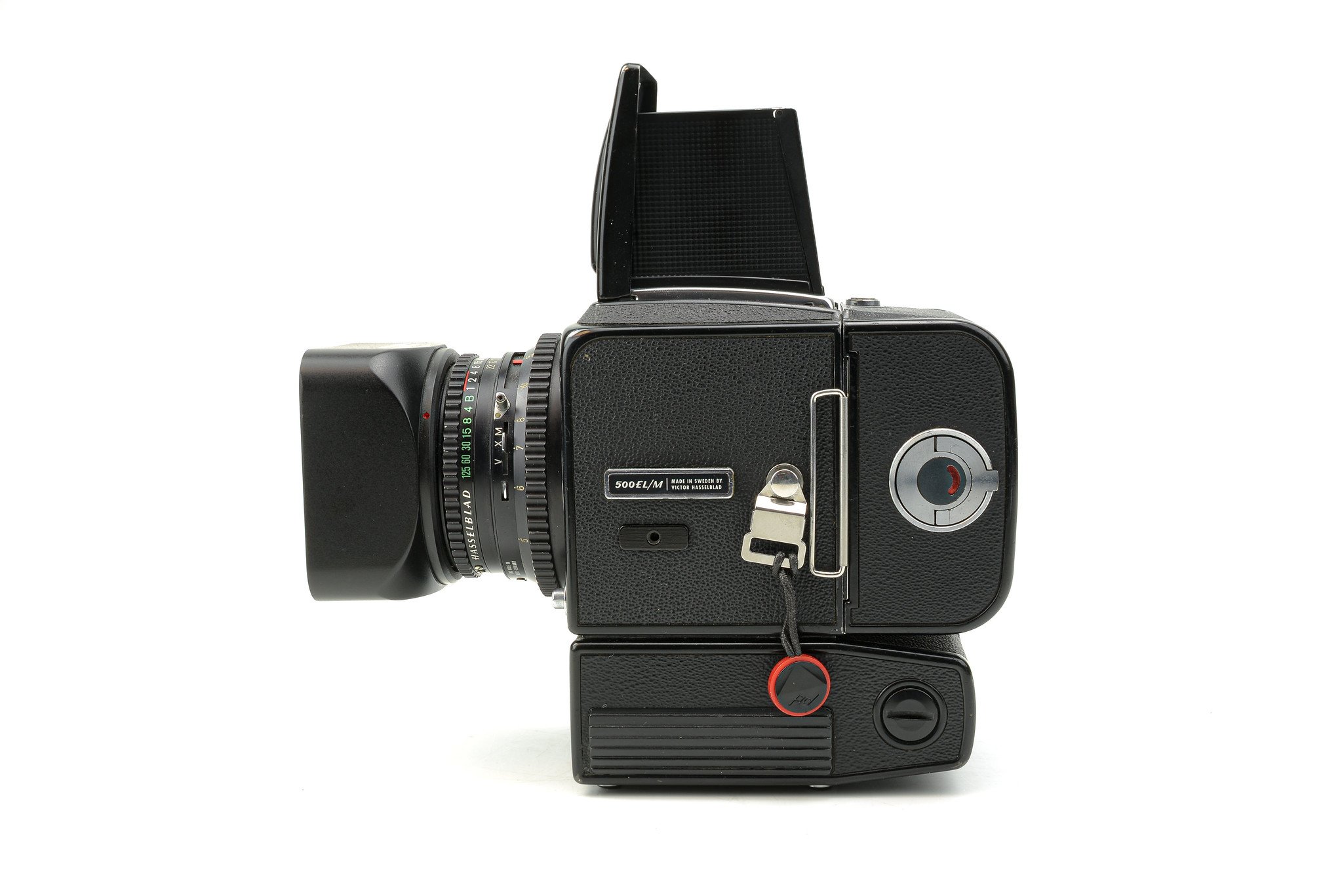
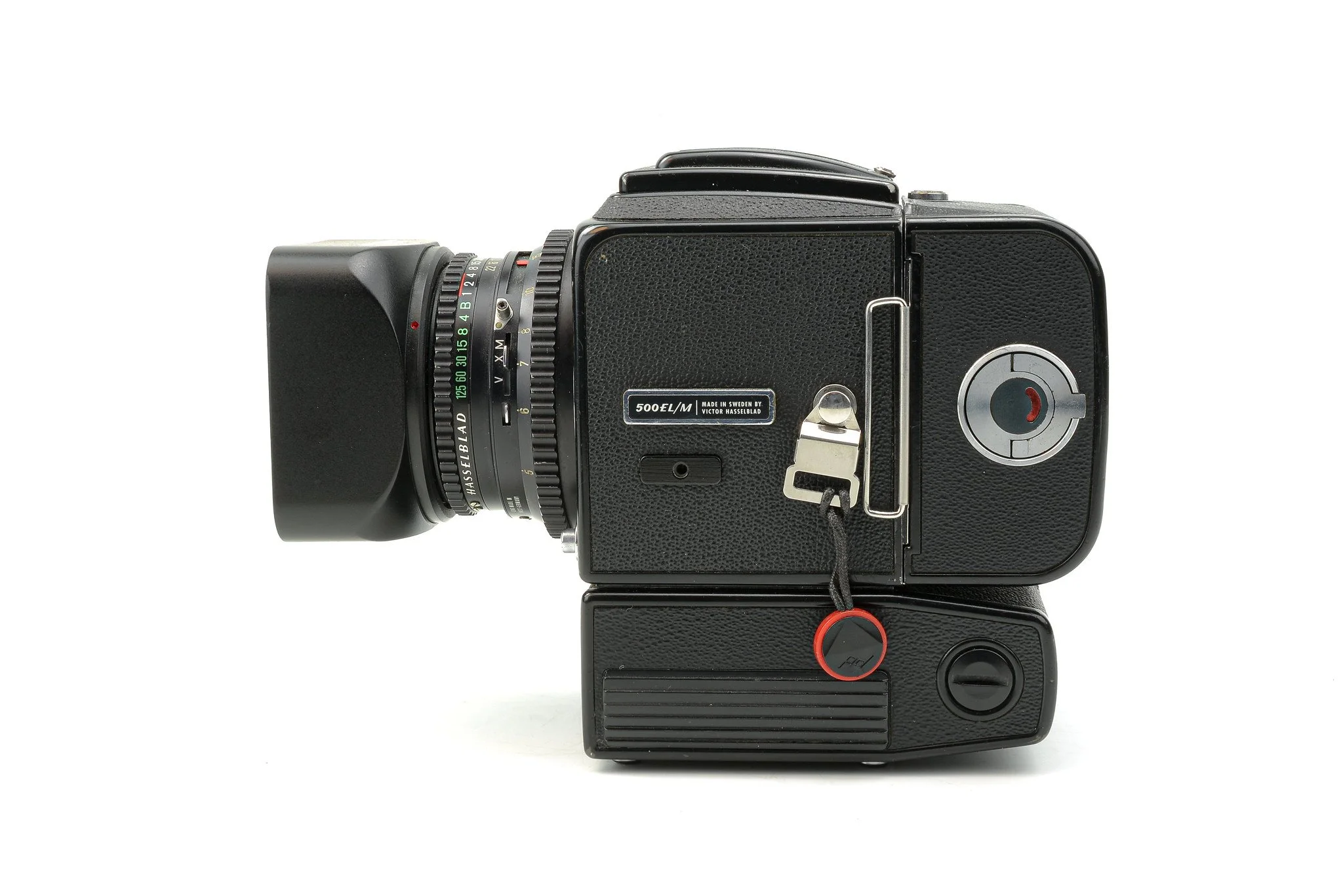
Wanting to get out of a creative rut with a few hours to spare on a Saturday morning, I grabbed my Hasselblad 500 ELM with an 80mm f/2.8 lens and a 25A red filter, along with a roll of Fuji ACROS film from my freezer. The sky was bright blue with a few wispy clouds as I drove toward the National Museum of the United States Air Force to shoot a few images of the aircraft on the tarmac. The planes were re-arranged since I was there last, so it made for a nice change of pace. And with the blue skies, the 25A red filter should really make planes pop against the darkened sky.
This is my first image from the roll.
The 25A filter did a great job of darkening the sky and showing off the jet-trails. The Fuji ACROS film is sharp and low-grain as always. All-in-all a good first shot to get the roll started.
And here’s where I tell you that I am lying. The shot above wasn’t really from my Hasselblad. It was shot with my Fuji GFX 50S with the Fuji 50mm f/3.5 lens in square crop mode, with the Fuji ACROS film + Red 25A film simulation. Here’s the actual film shot from the Hasselblad with the 25A filter attached.
Very similar, huh?
GFX 50S and Hasselblad 500 ELM
I know, I know. Not another film versus digital debate, right? Well, that’s not really the point of this post. You see, I’ve had the GFX for several months now, and have rarely shot with it. I bought it for a specific project I am doing for the Springfield Parks District. Now that the weather is improving, I really need to get used to using the GFX. So I thought bringing it out with the Hasselblad to do some fun comparisons would be a way to become used to its controls and features. I also wanted to see what a combined Digital and Film workflow might look like from a consistency standpoint. These images had little to no editing done - just setting the black and white point for both the film and digital, and removing some of the dust on the film images. The Fuji ACROS film was developed in Ilfosol 3 and scanned with an Epson V850 scanner.
Interestingly enough, the 50mm lens with a square in-camera crop is very close to the field of view of the Hasselblad 80mm lens. During this experiment I shot everything at f/8 for comparison. Most of the shots with the Hasselblad were at f/8 and 1/60th, while the Fuji was at f/8 and mostly around 1/300th of a second. Because it wasn’t really using a red filter like the Hasselblad, that allowed for a much faster shutter speed.
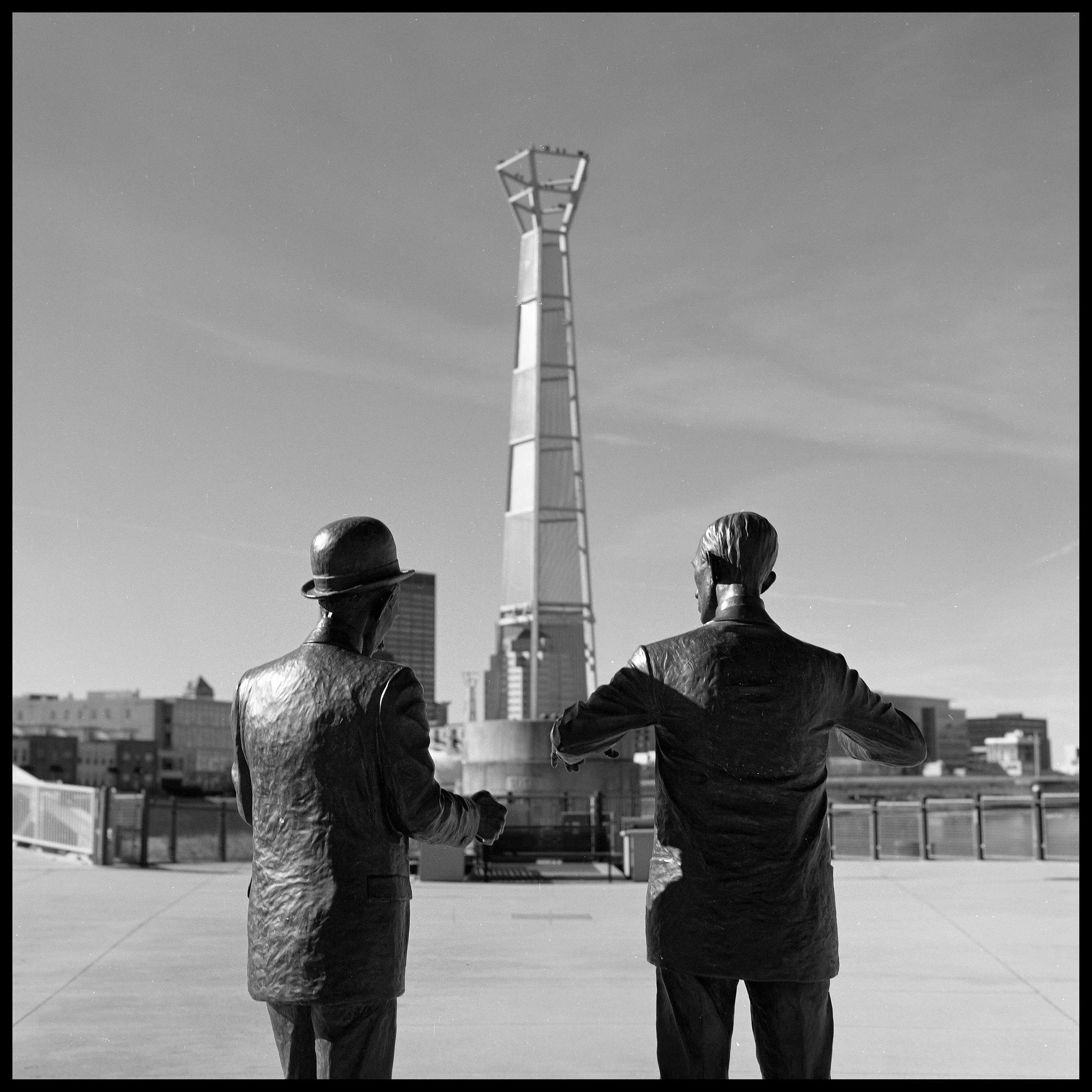
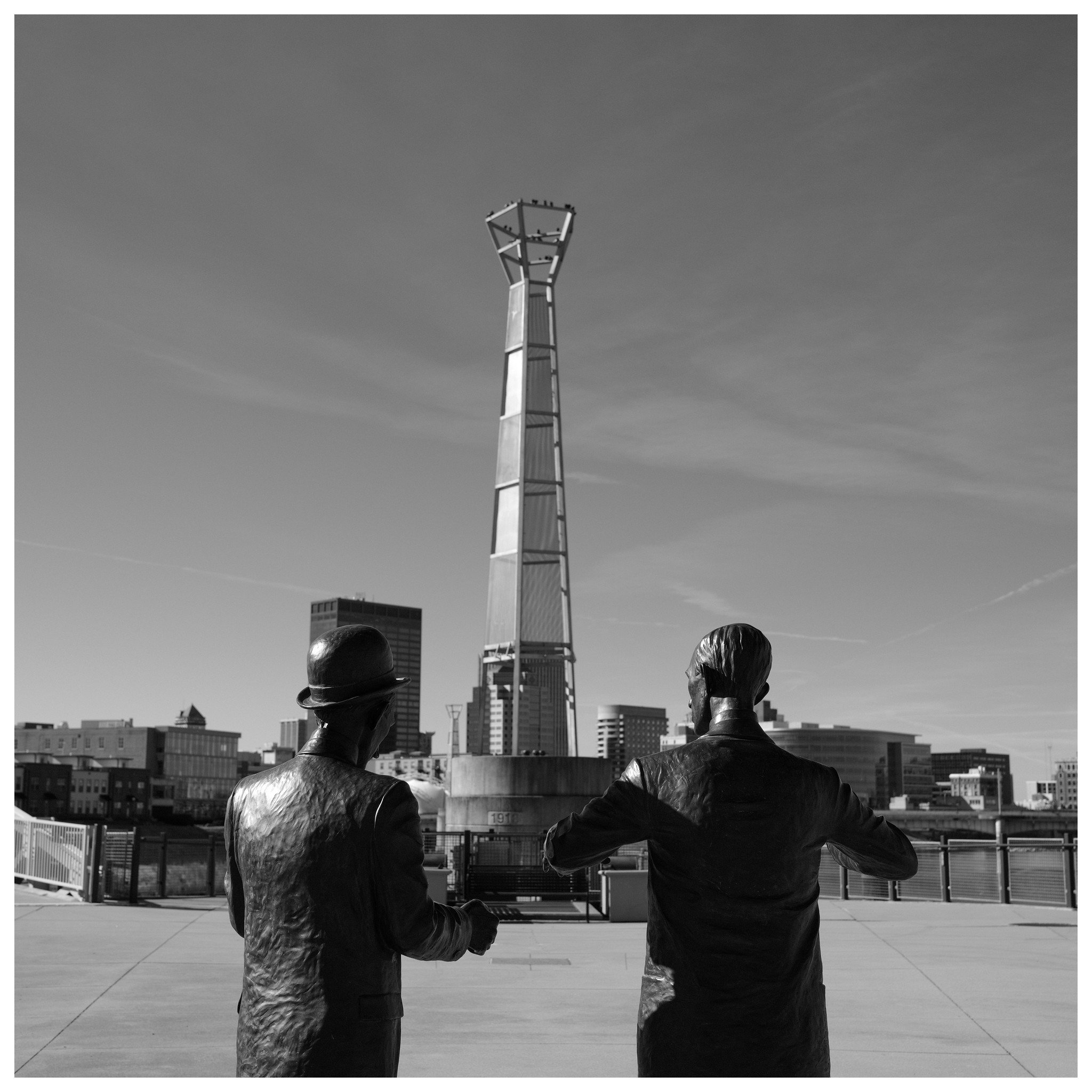
Below are some more comparison shots. Images with the black border are film, while images with the white border are digital. Click on the first image to pop it out larger in a new window and scroll through.
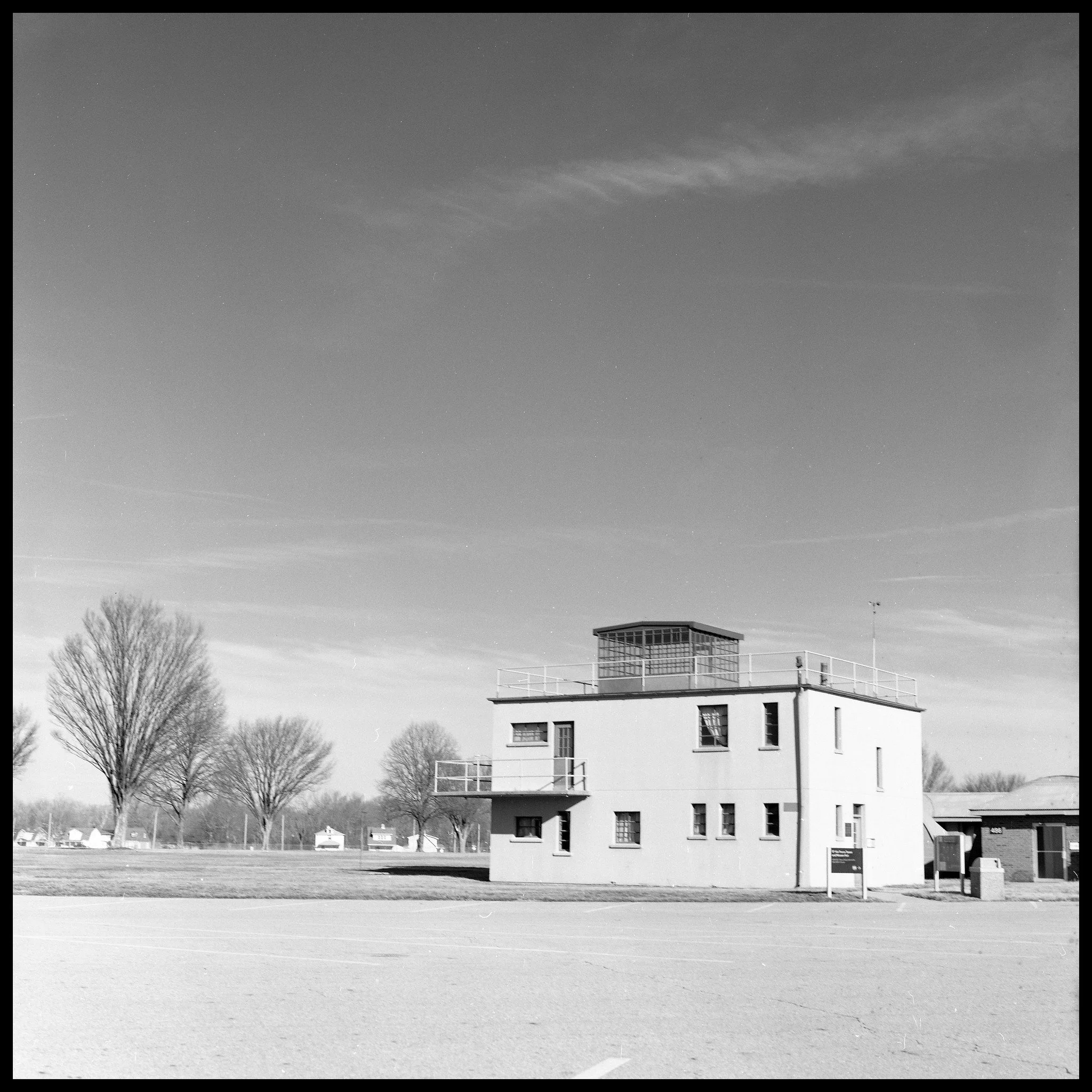
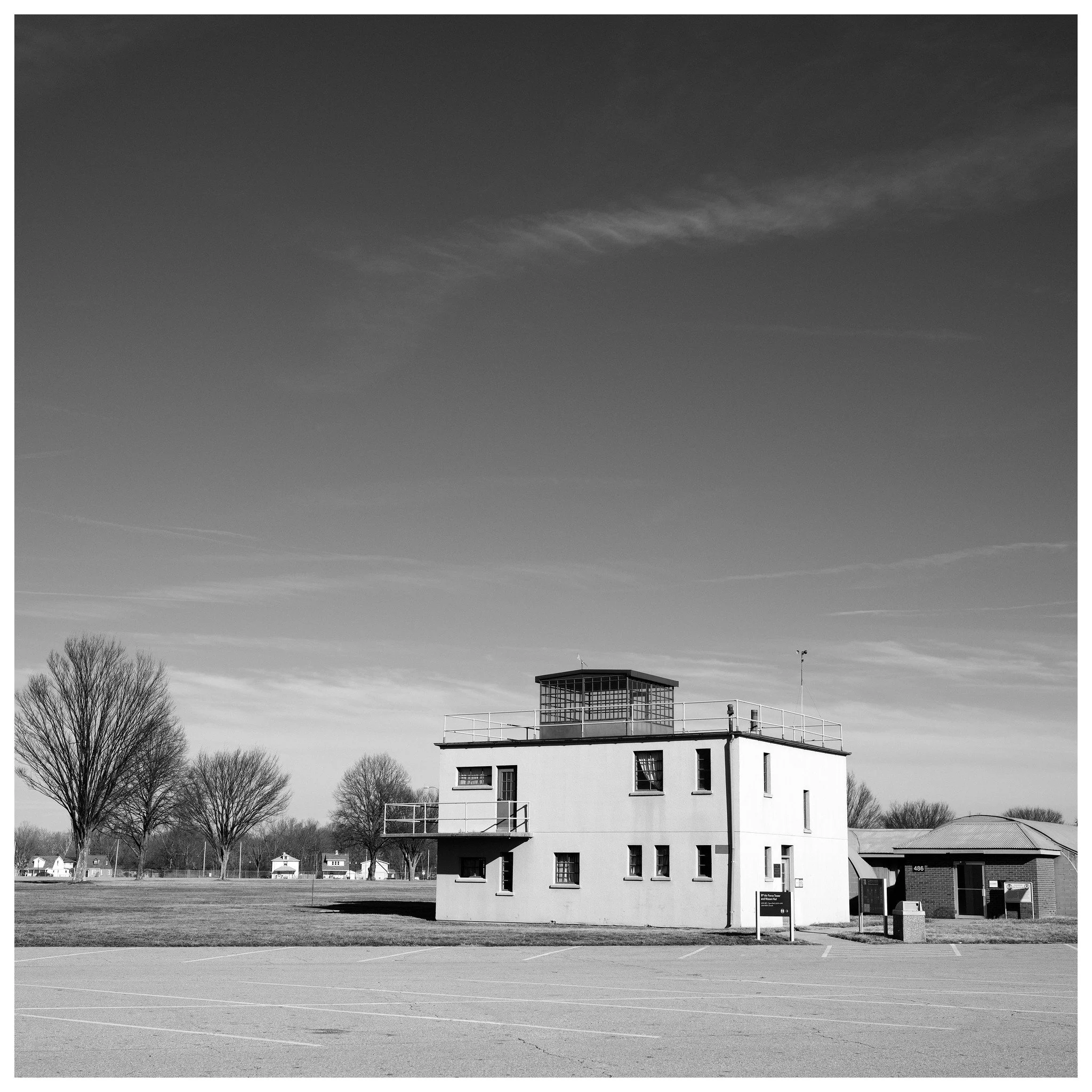
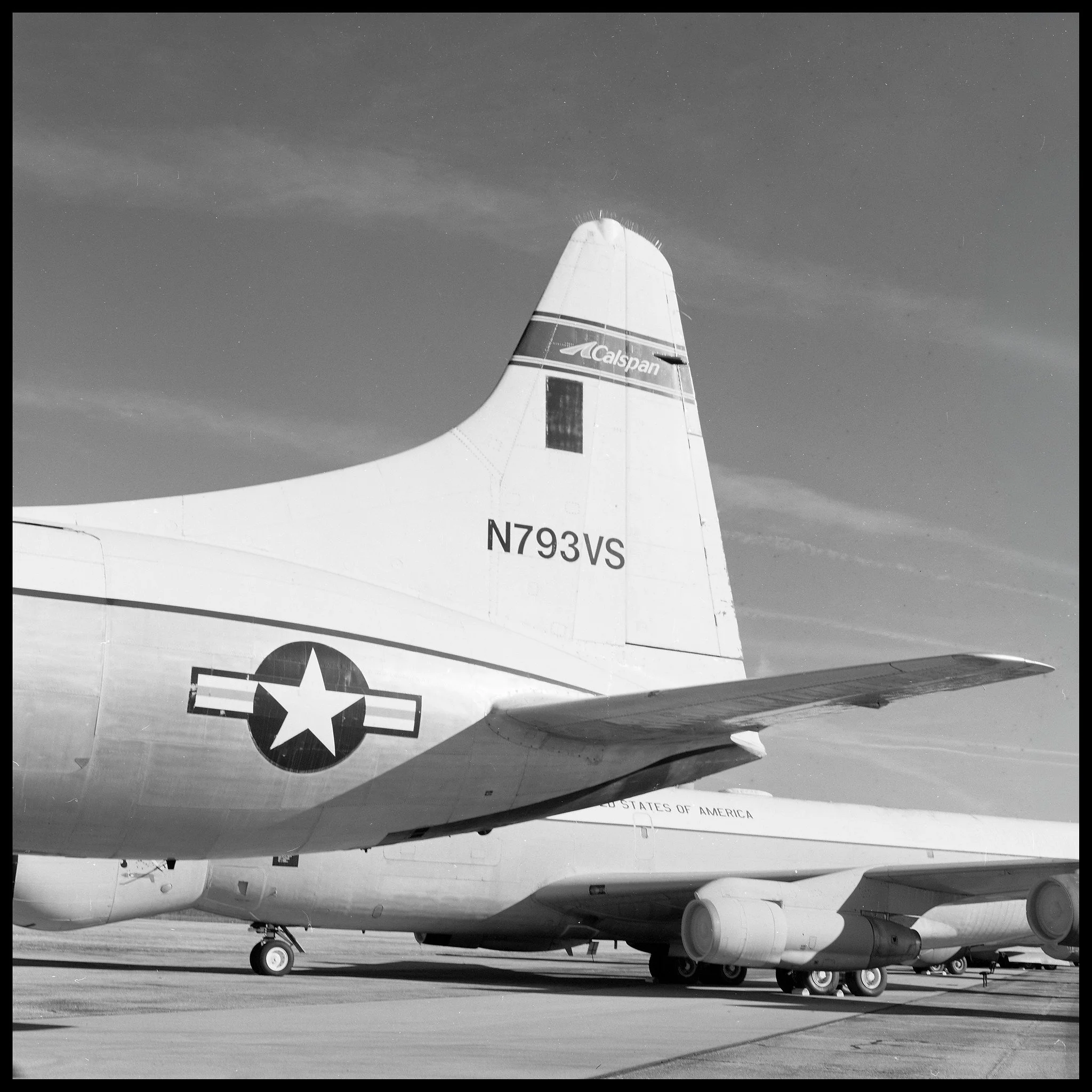
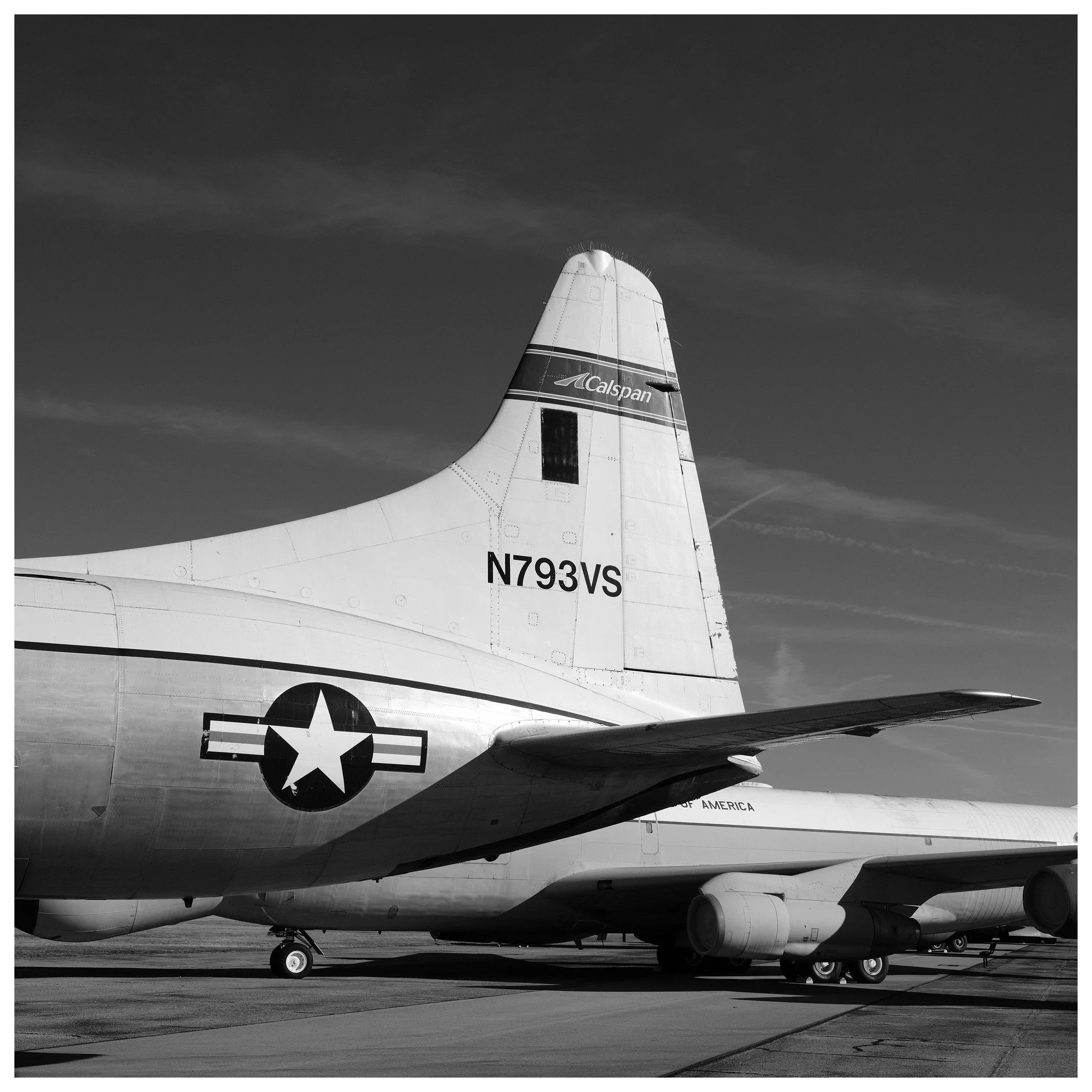
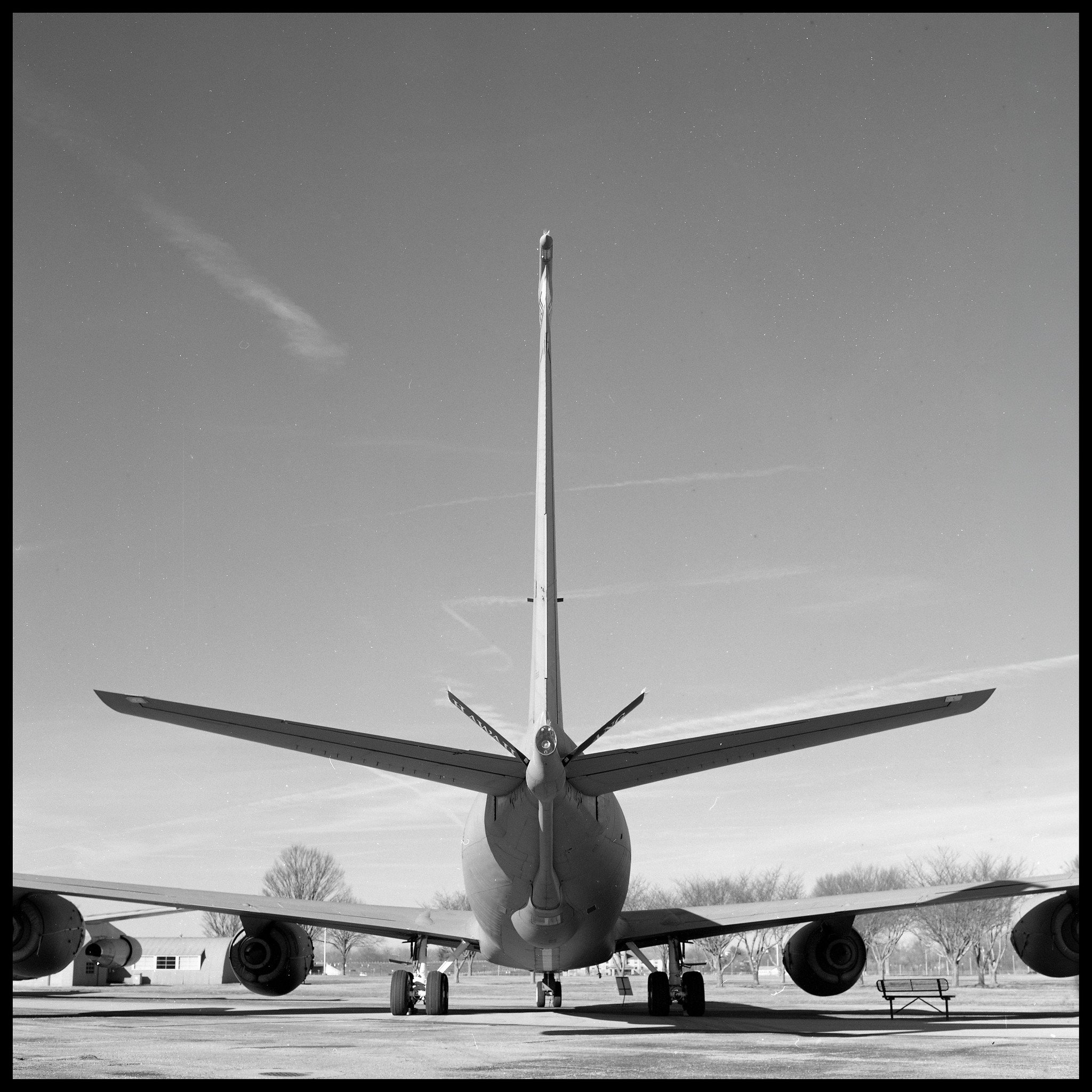
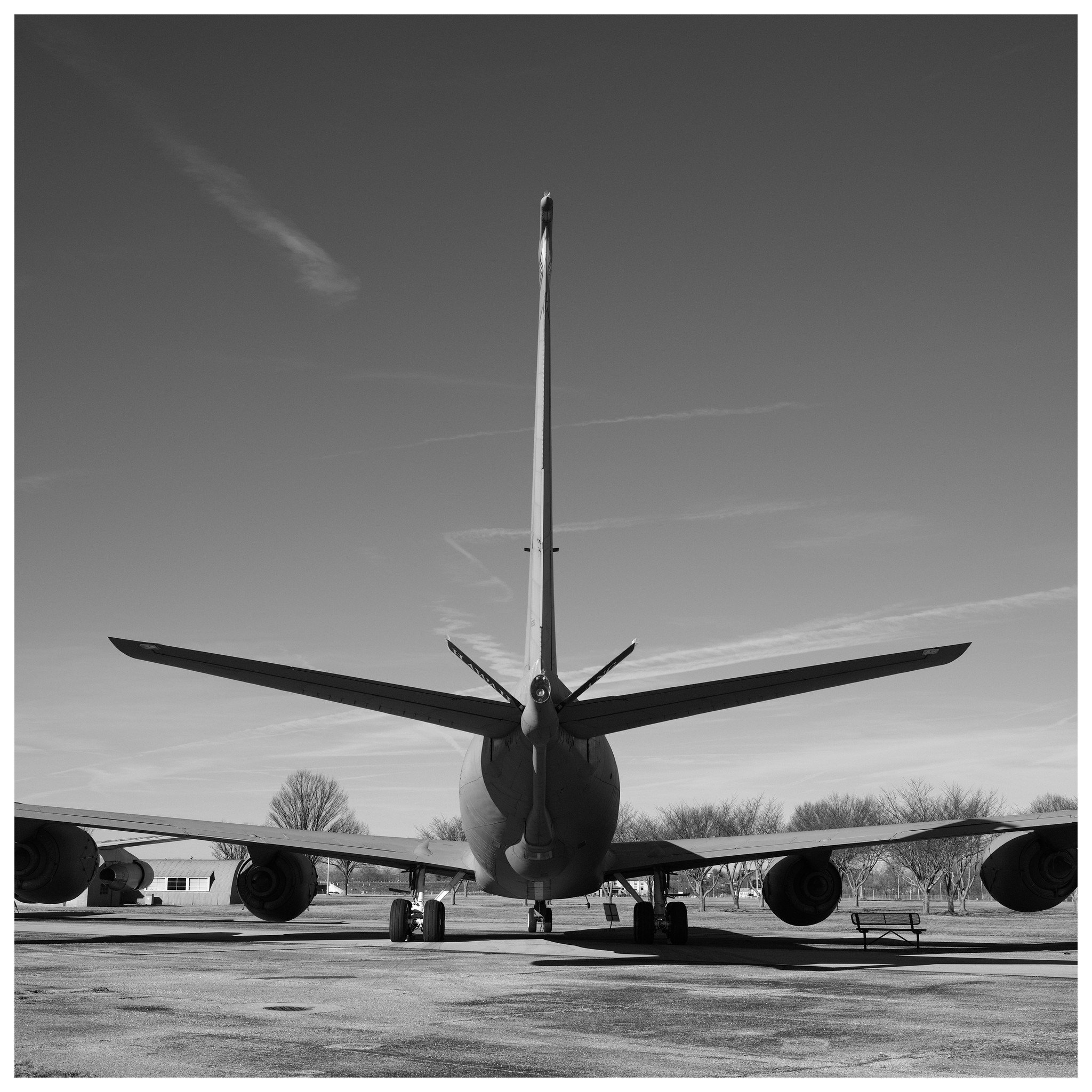
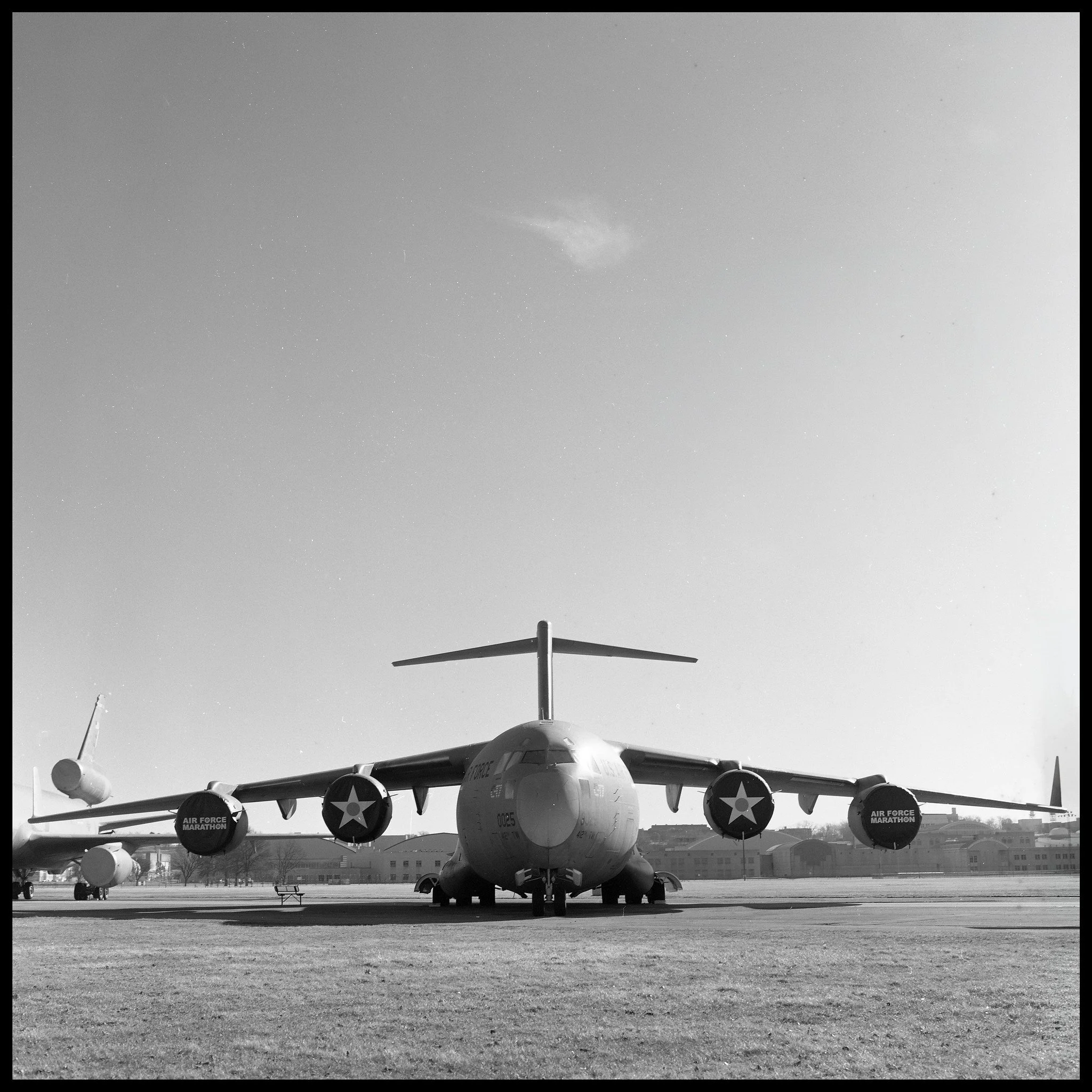
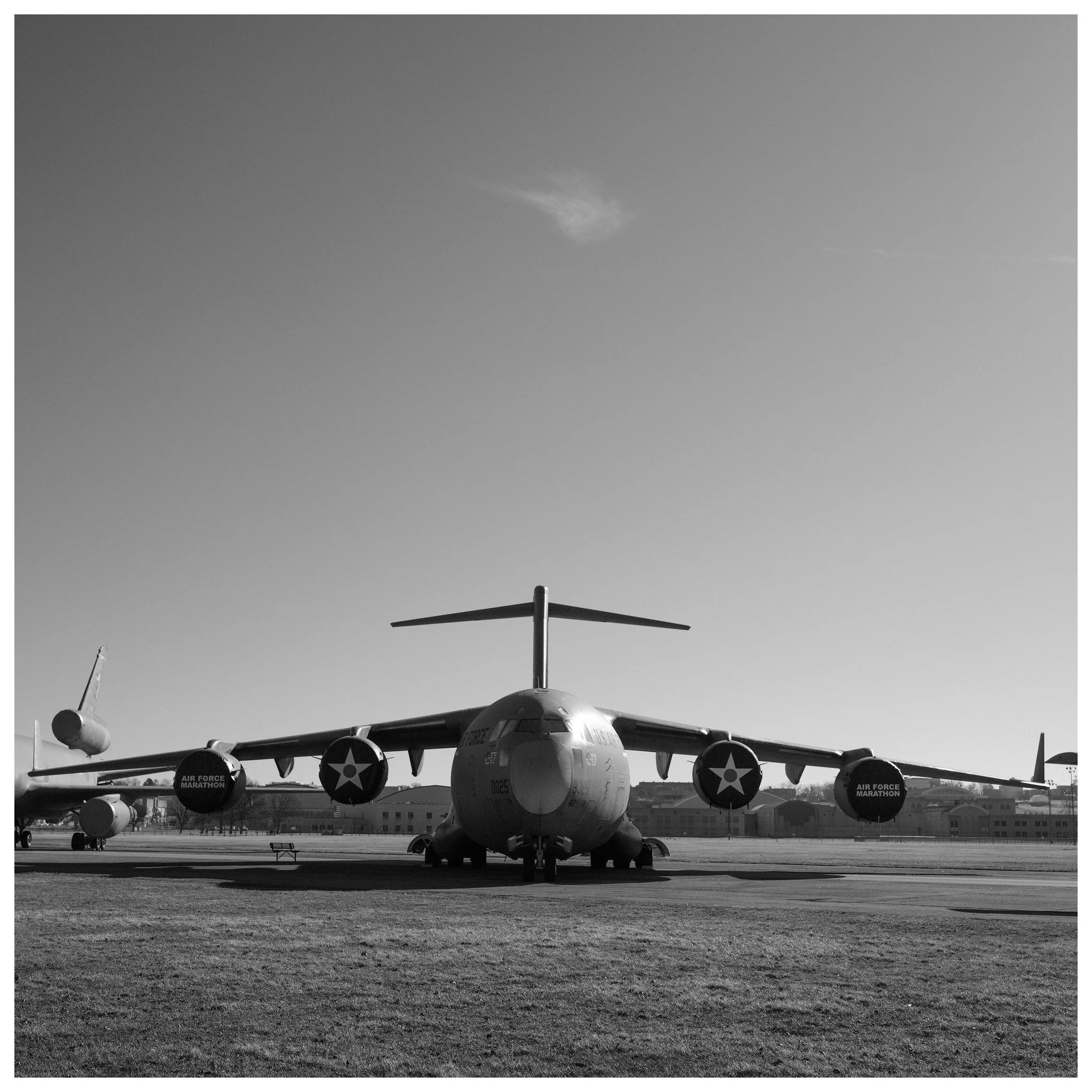
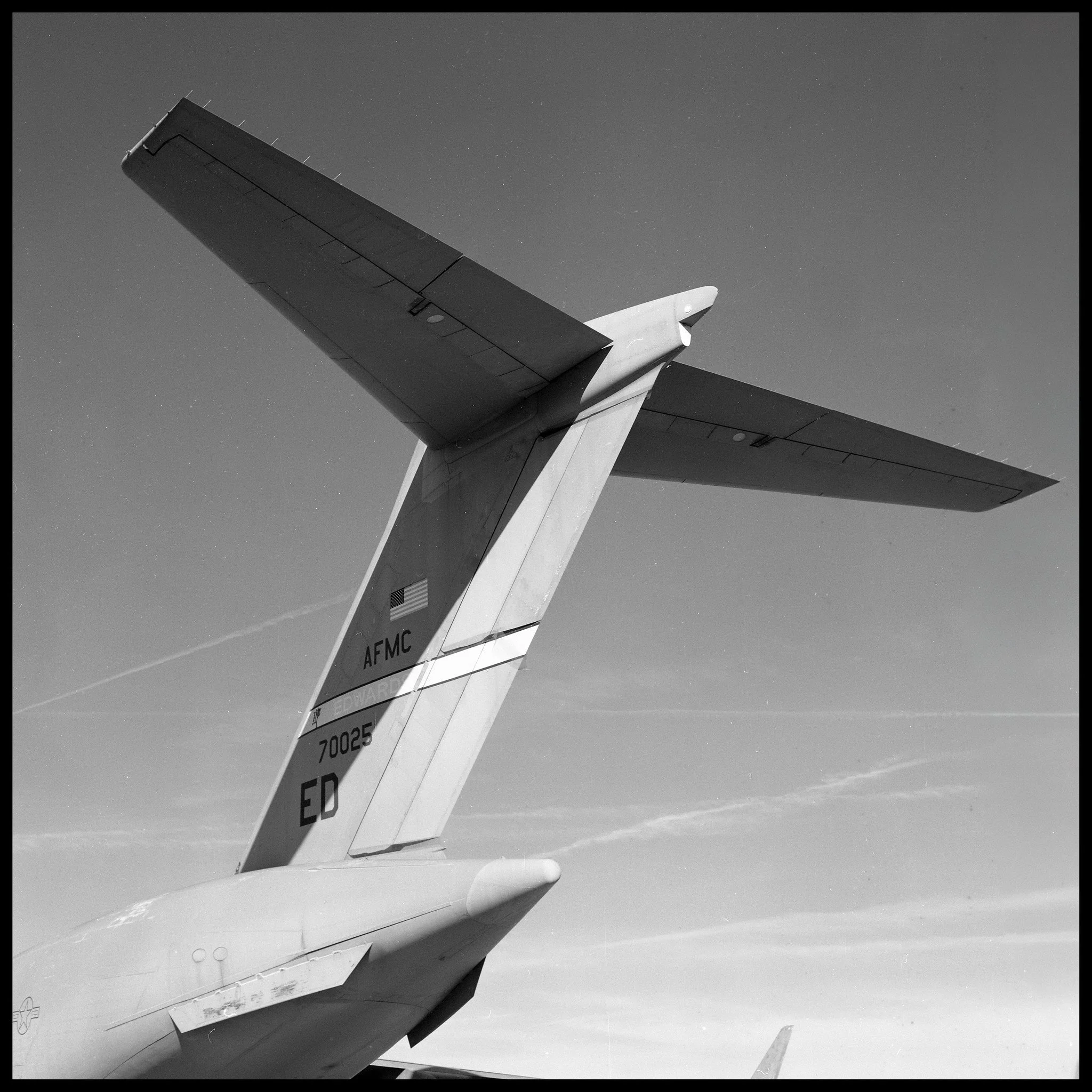
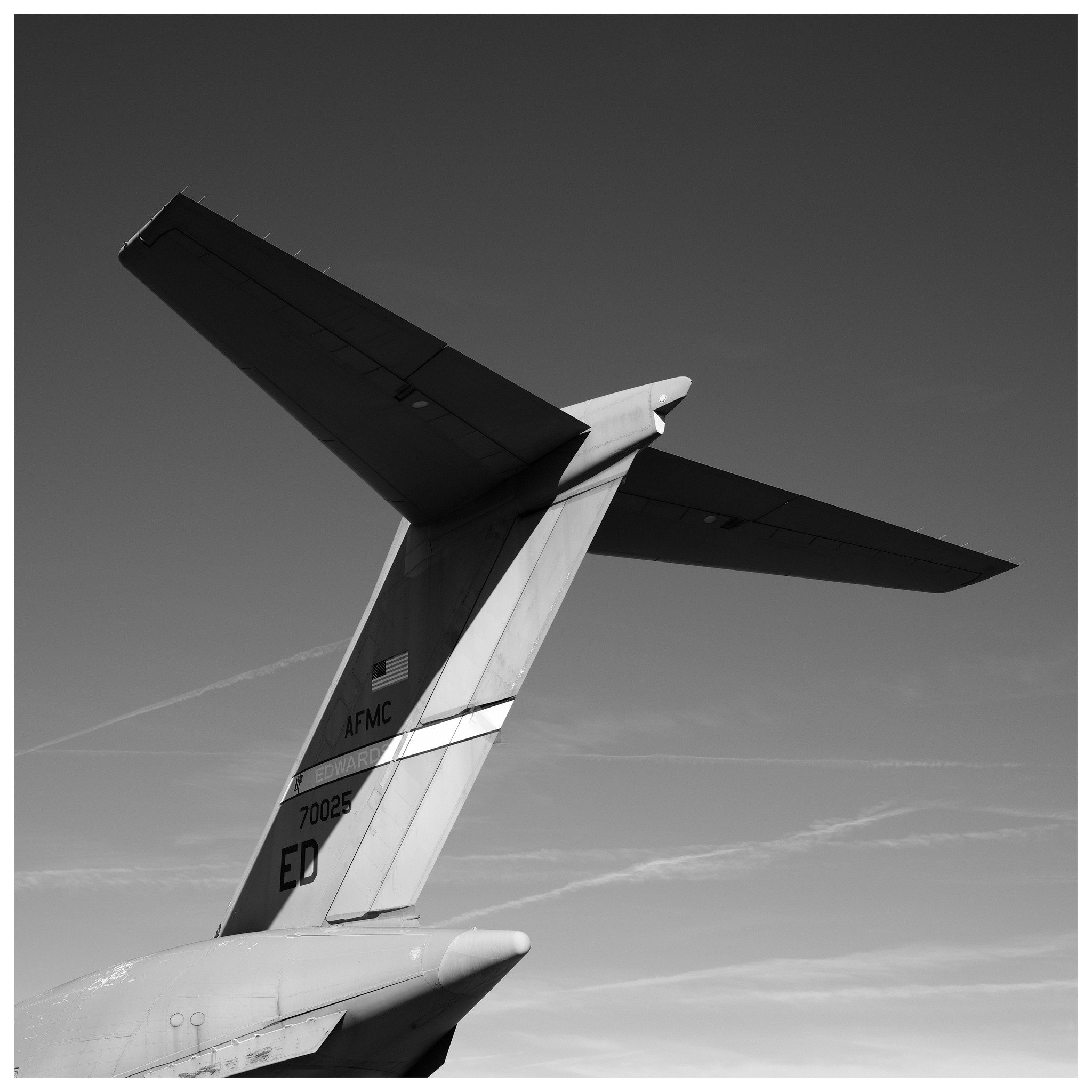
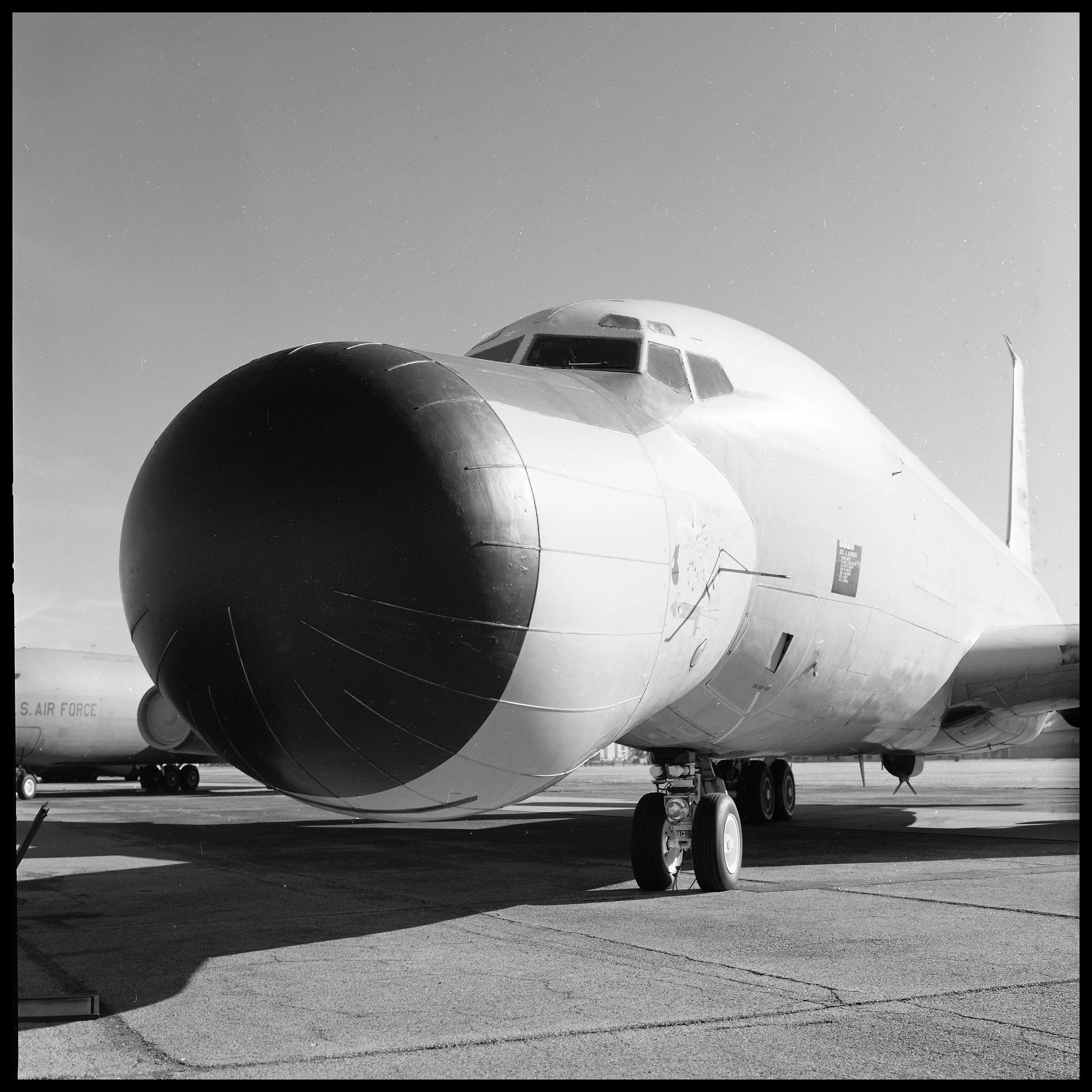
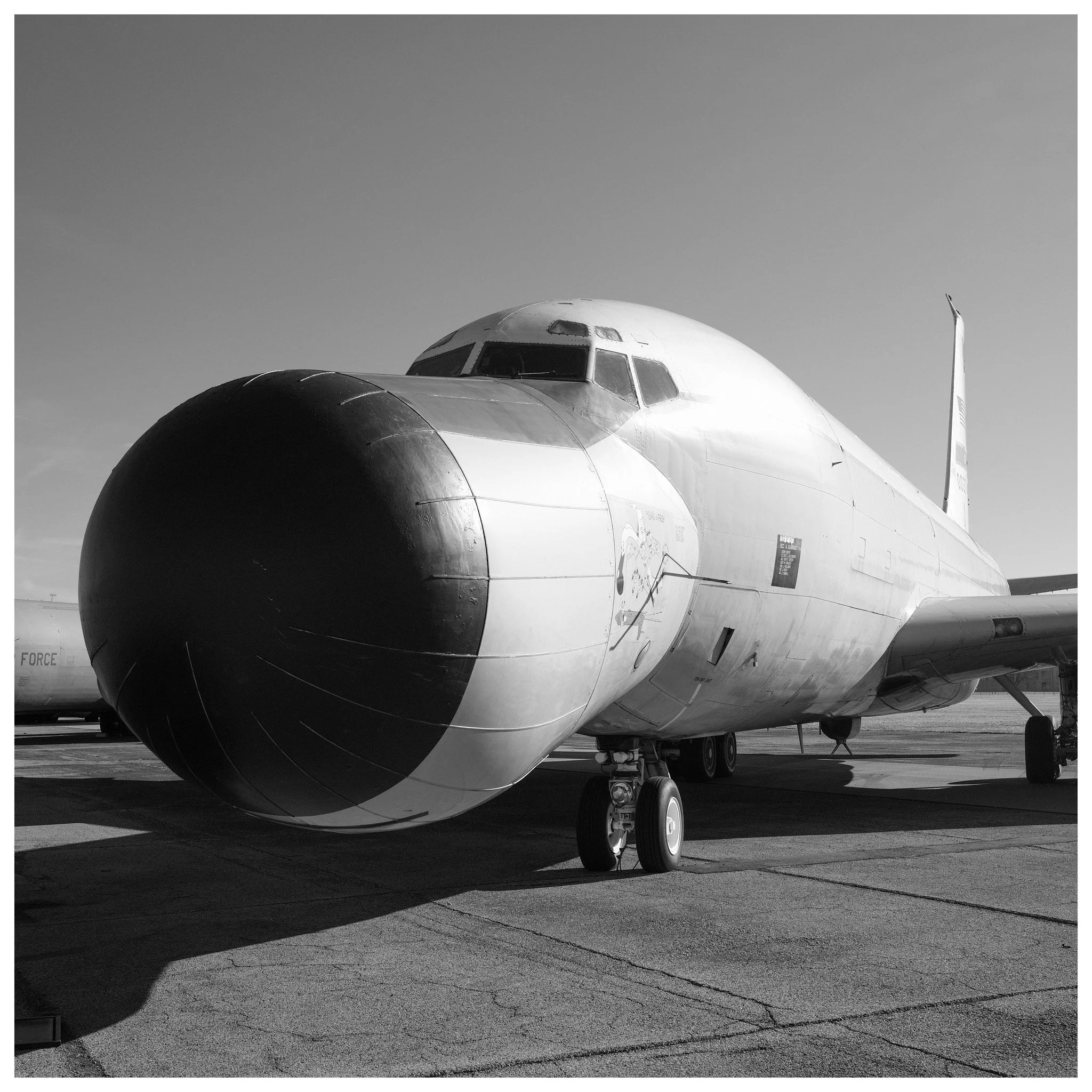
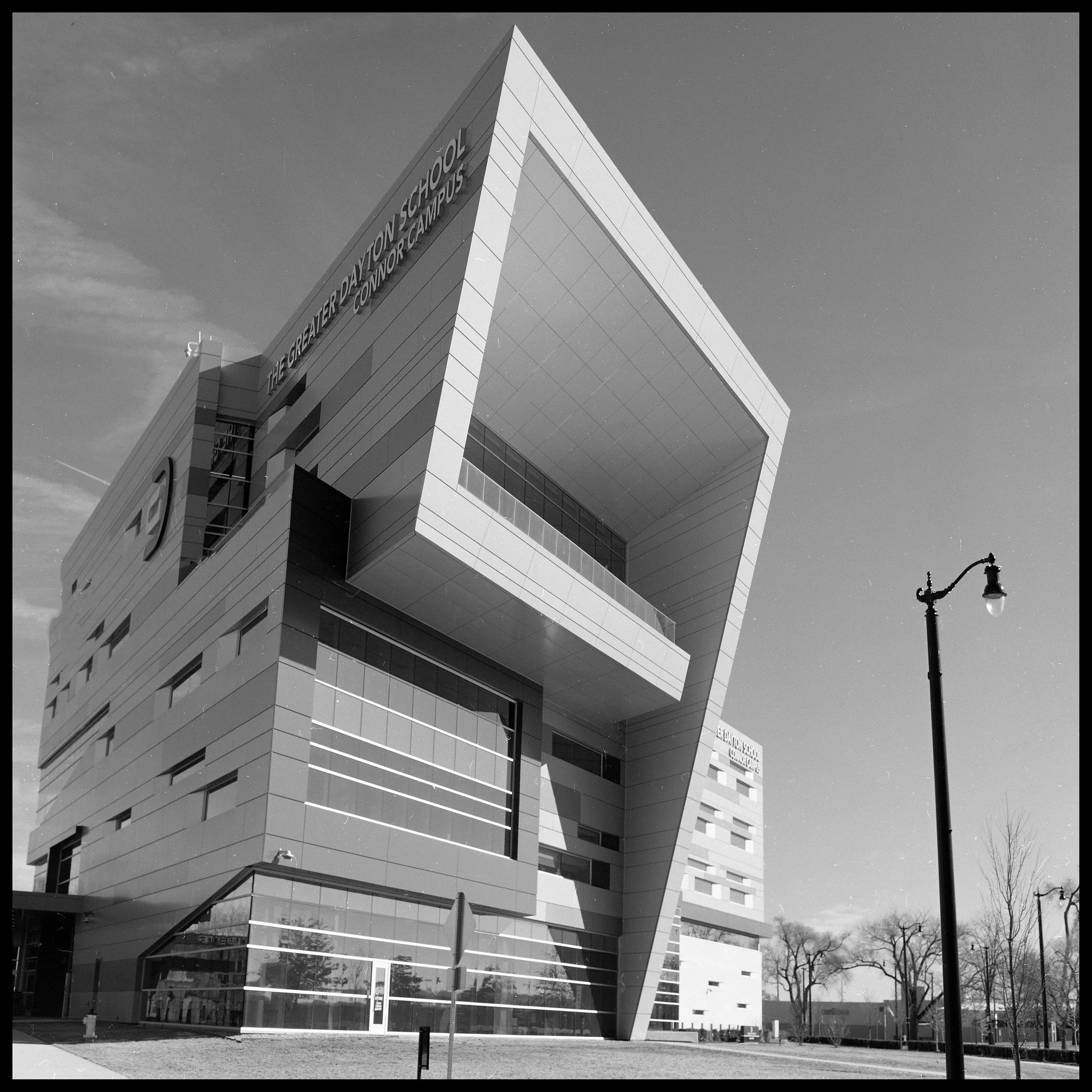
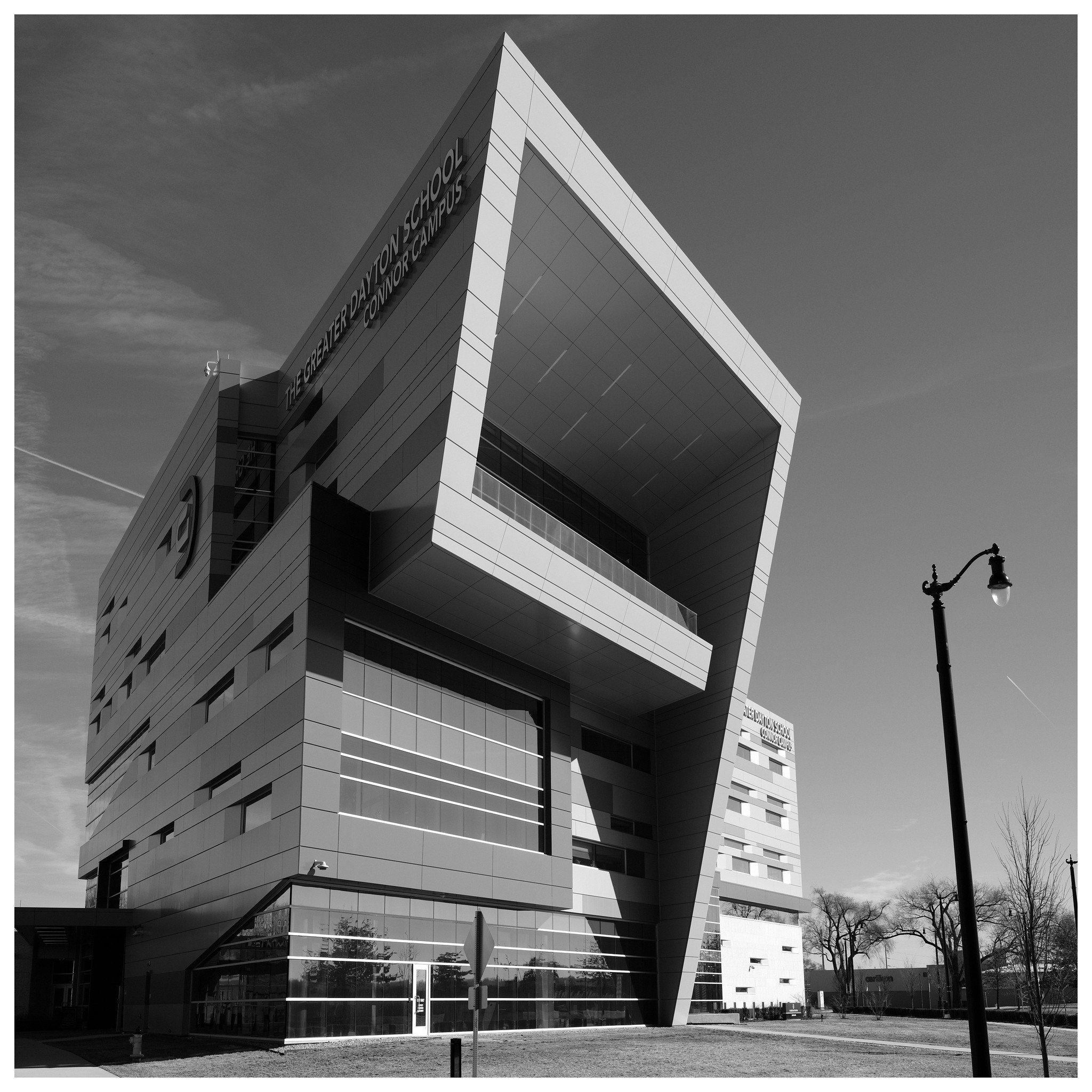
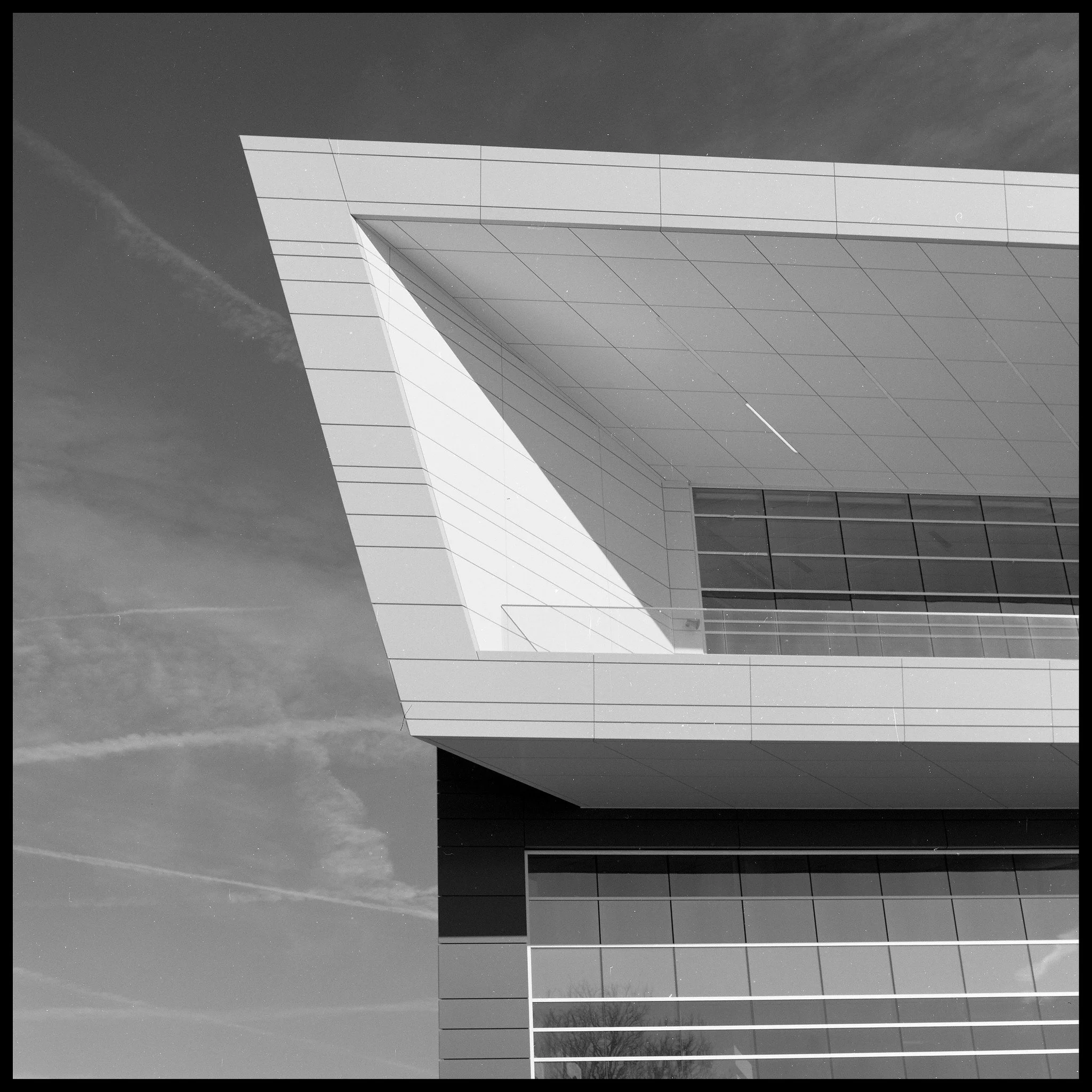
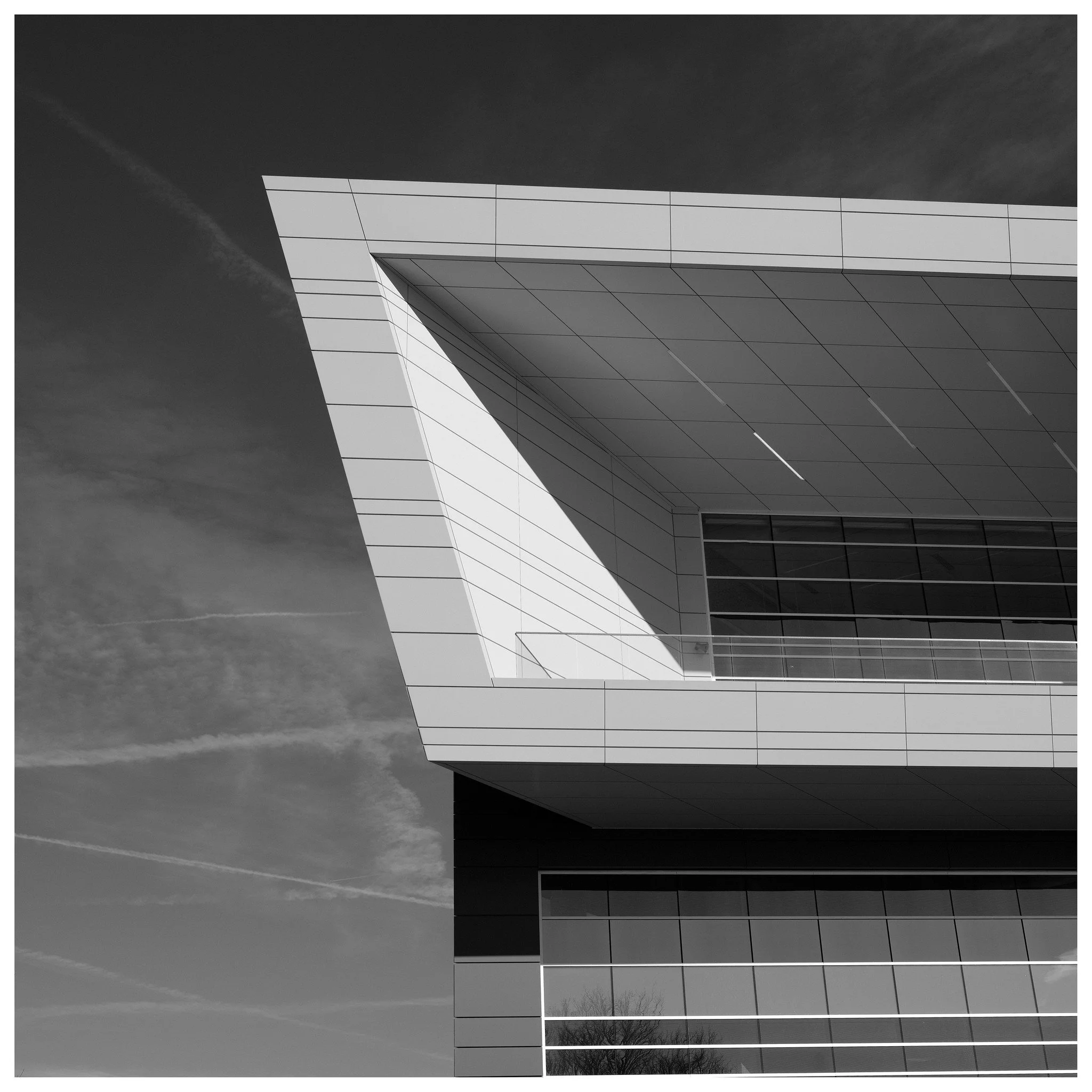
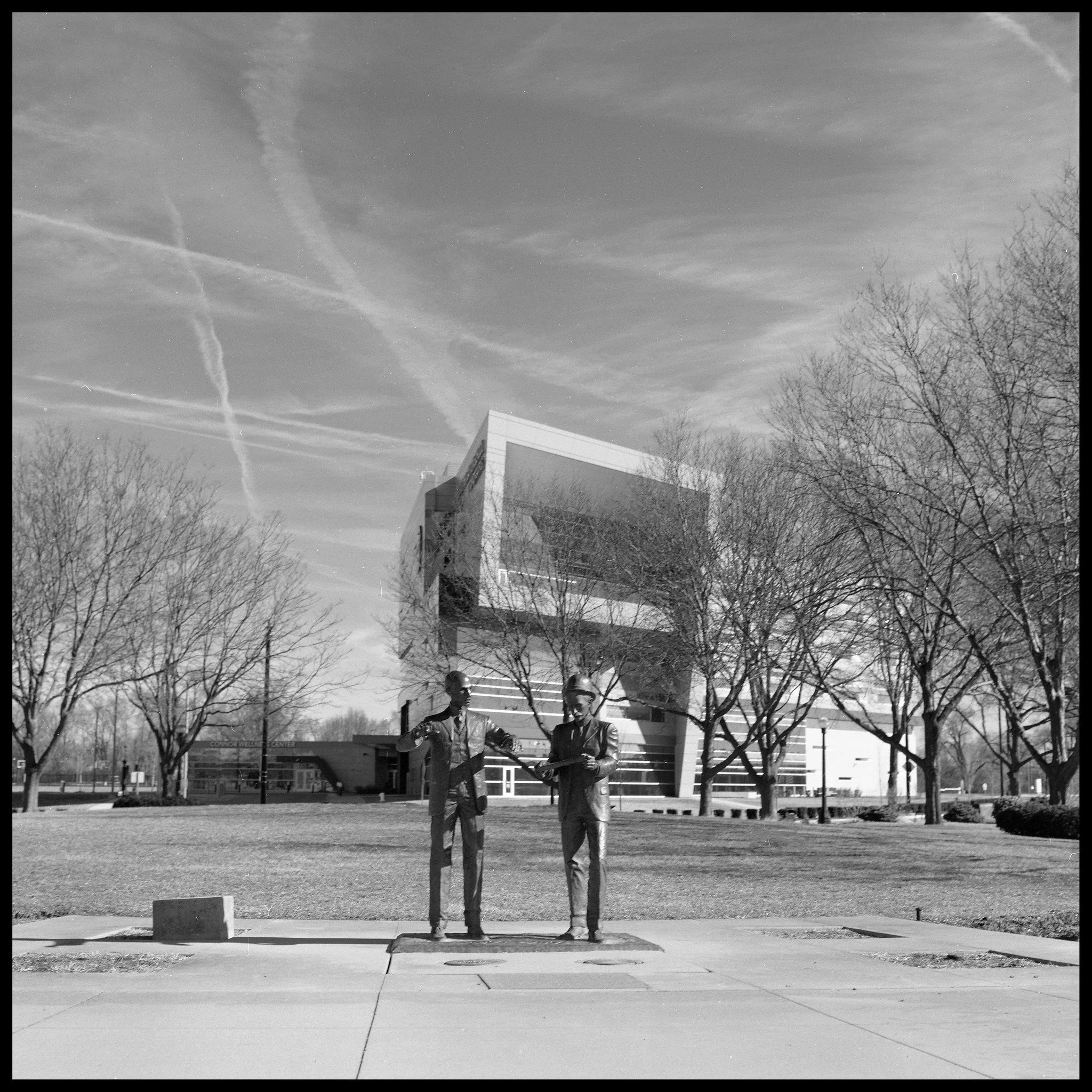
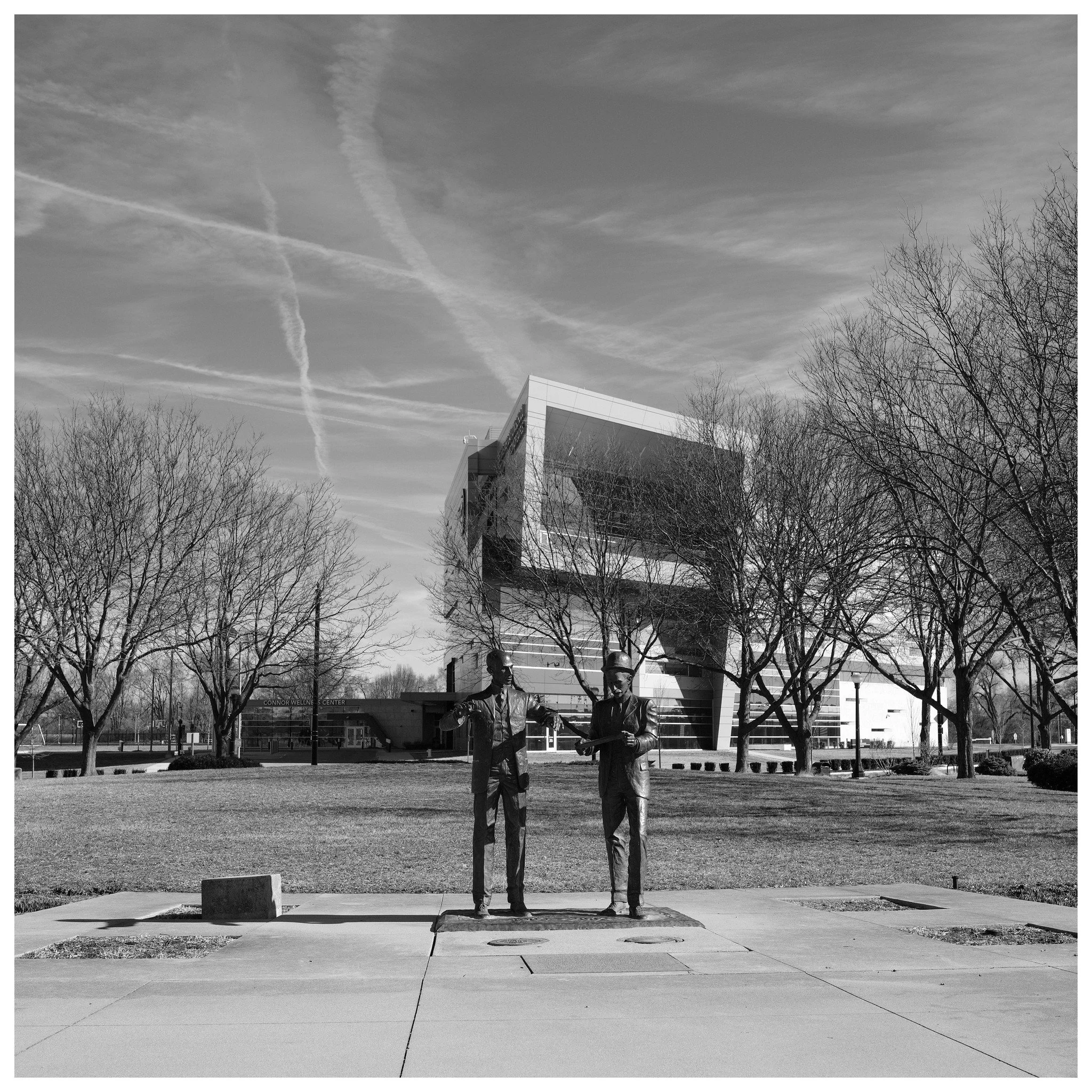
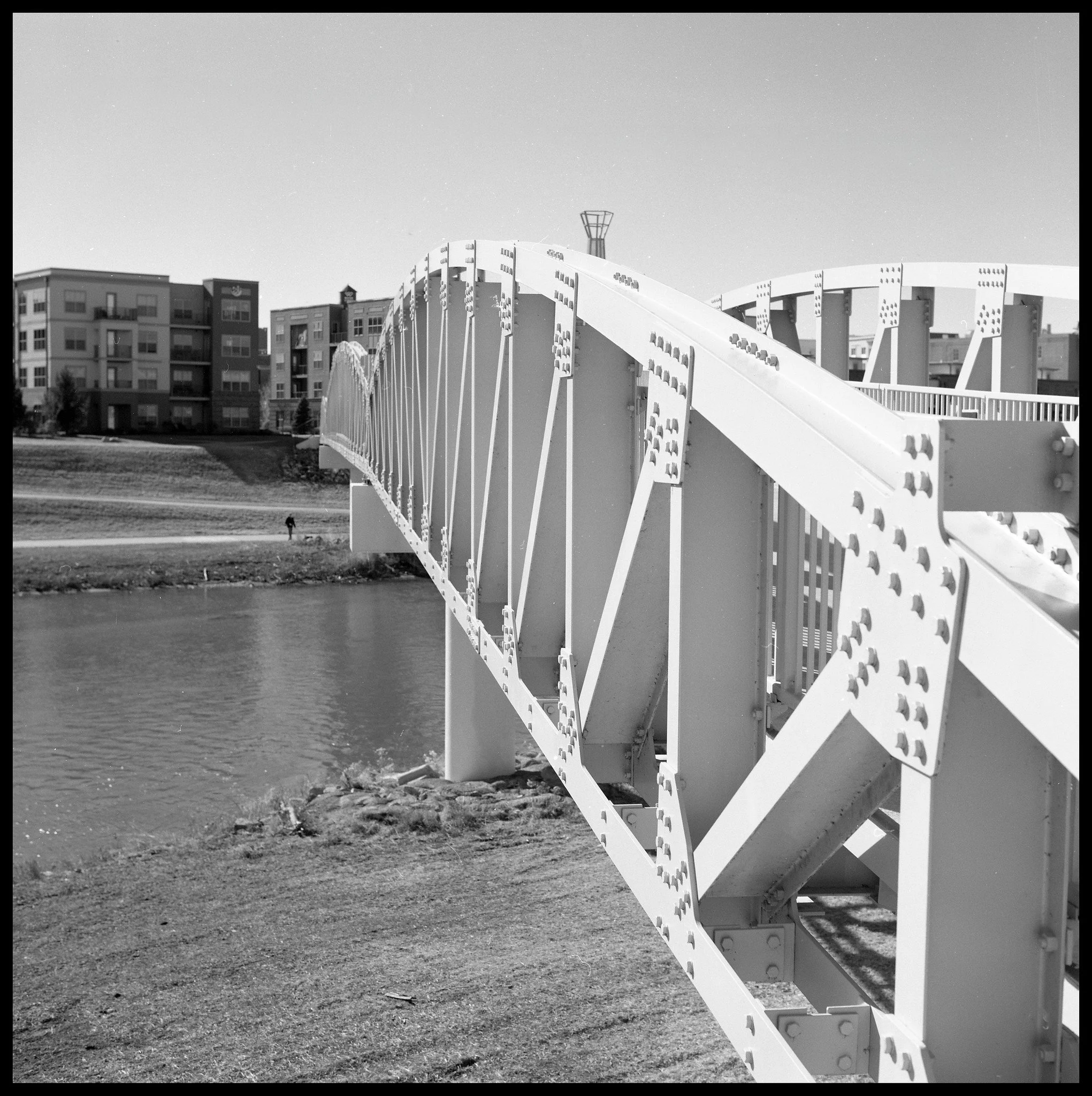
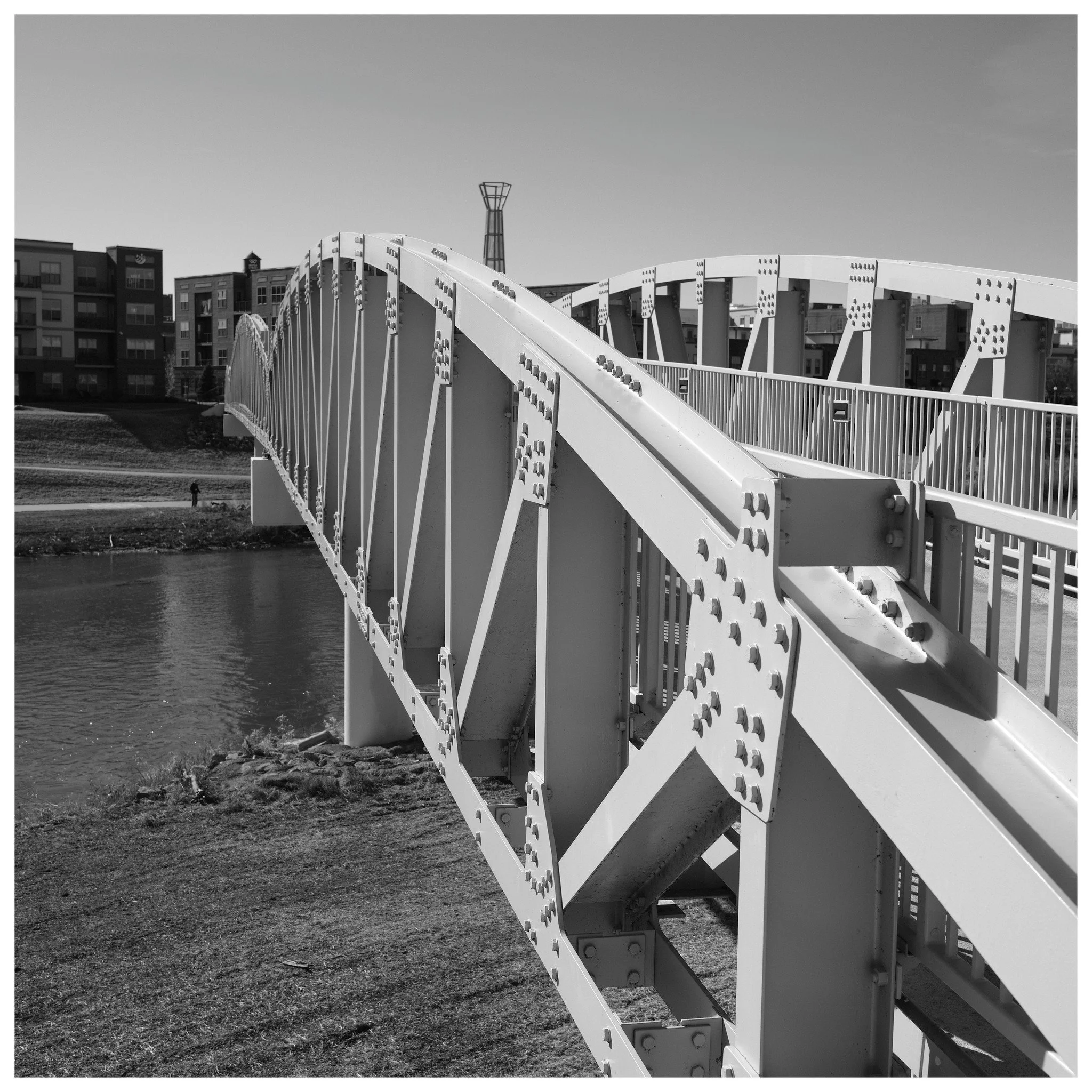
All of them look very similar. One has to look very closely to determine which is which. The “red filter” in the GFX does make the skies slightly darker than the real thing on the Hasselblad. To me, the tell-tale sign is the difference in depth of field at f/8. With the much larger film area of the film compared to the barely-medium-format Fuji sensor, images like the one below give it away. Both images have focus on the Wright Brothers, with the depth of field of the film image being much shallower with the fountain head being much more out of focus. The framing is also different, and that’s on me. I probably should have made more of an effort to flip the screen up on the Fuji and shoot it at waist-level like the Hasselblad.
So what does all of this really mean?
I think the Fuji ACROS sim recipe on the GFX is very good, and it makes me want to check out some of the others in the camera. This is also the first time in a long while that I have shot in jpeg versus raw. I’m usually all about shooting raw, but in this instance, I can get behind shooting jpeg if it produces great results with almost no editing.
I also think that I may have an interesting decision to make for my upcoming vacation. We are headed to Columbus Indiana in the near future to check out the architecture there and make some images. I was originally going to bring both my 500CM and my SWC, but now after this I am considering bringing just the GFX with 2-3 lenses and just shooting all digital. GASP!
As always, thanks for reading. Stay tuned for more as I potentially lean into the dark side of digital medium format photography!
Jeremy
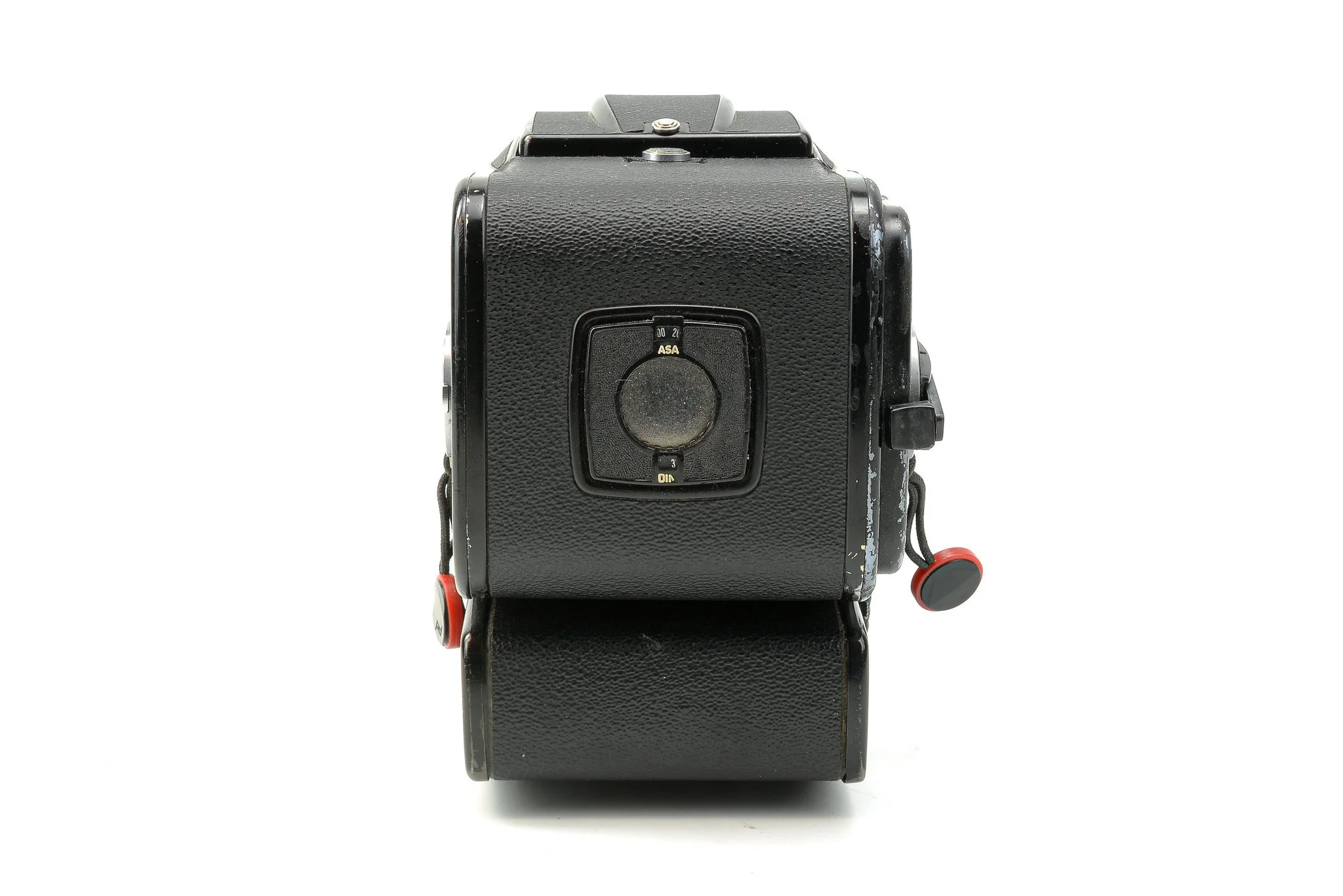
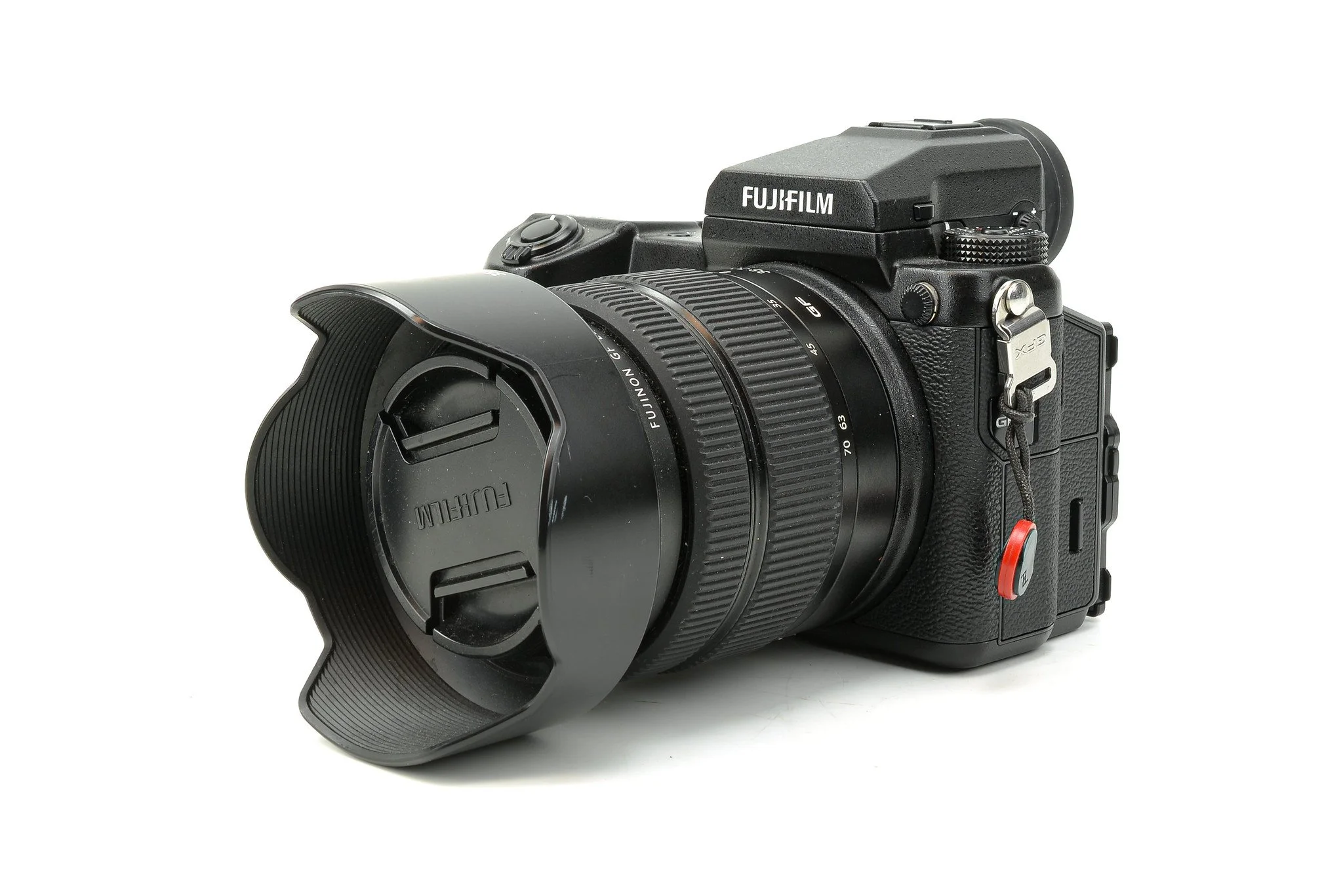
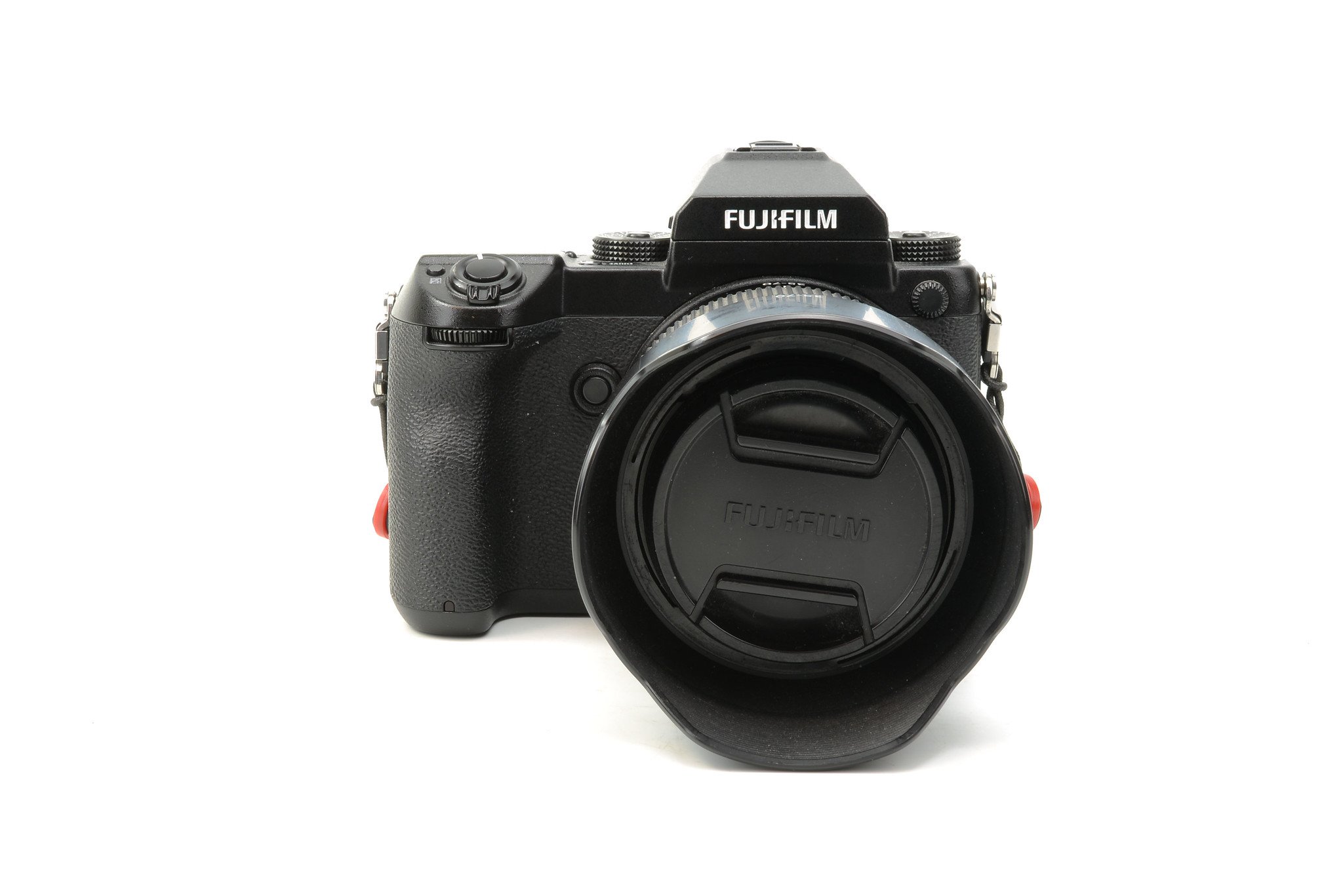
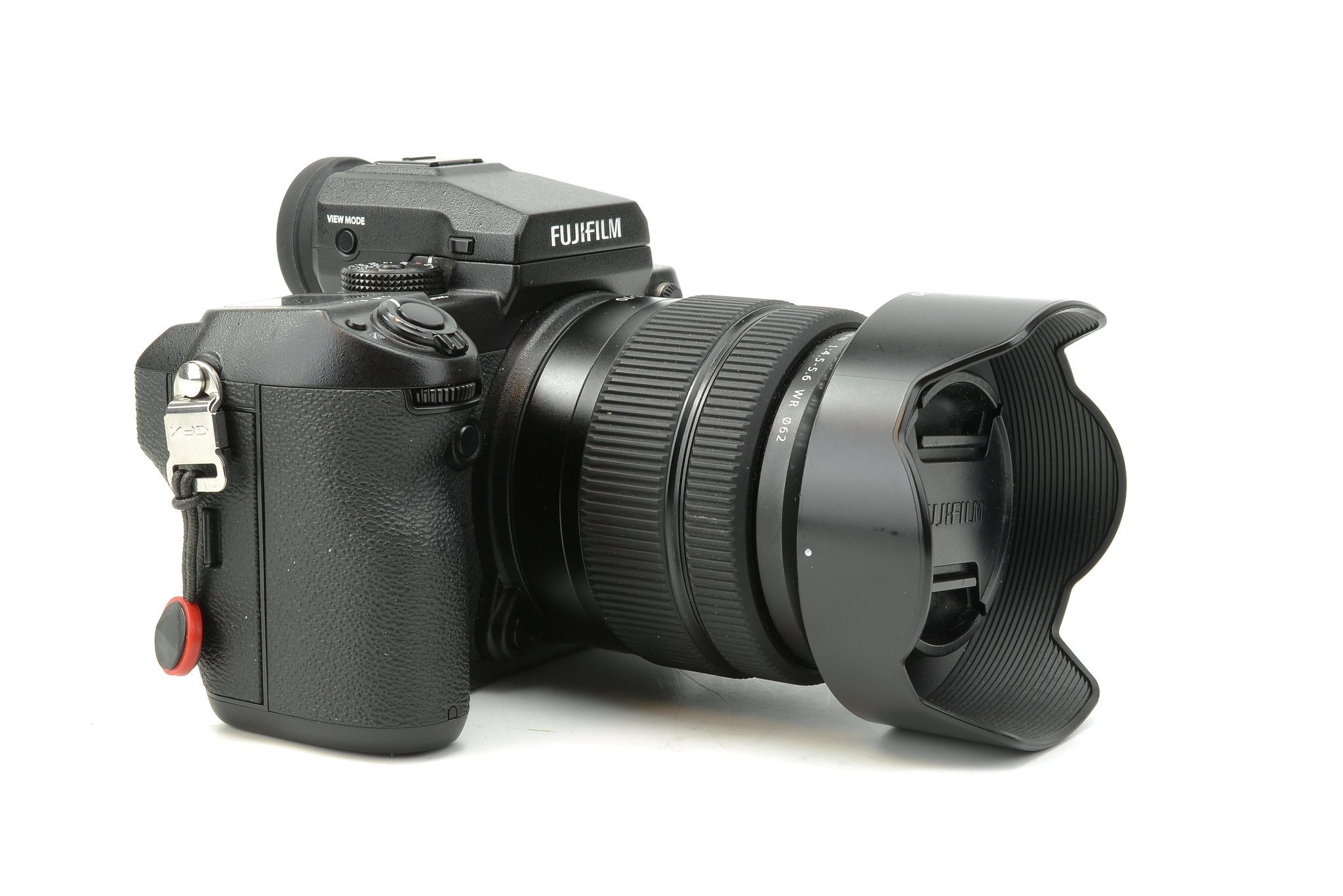
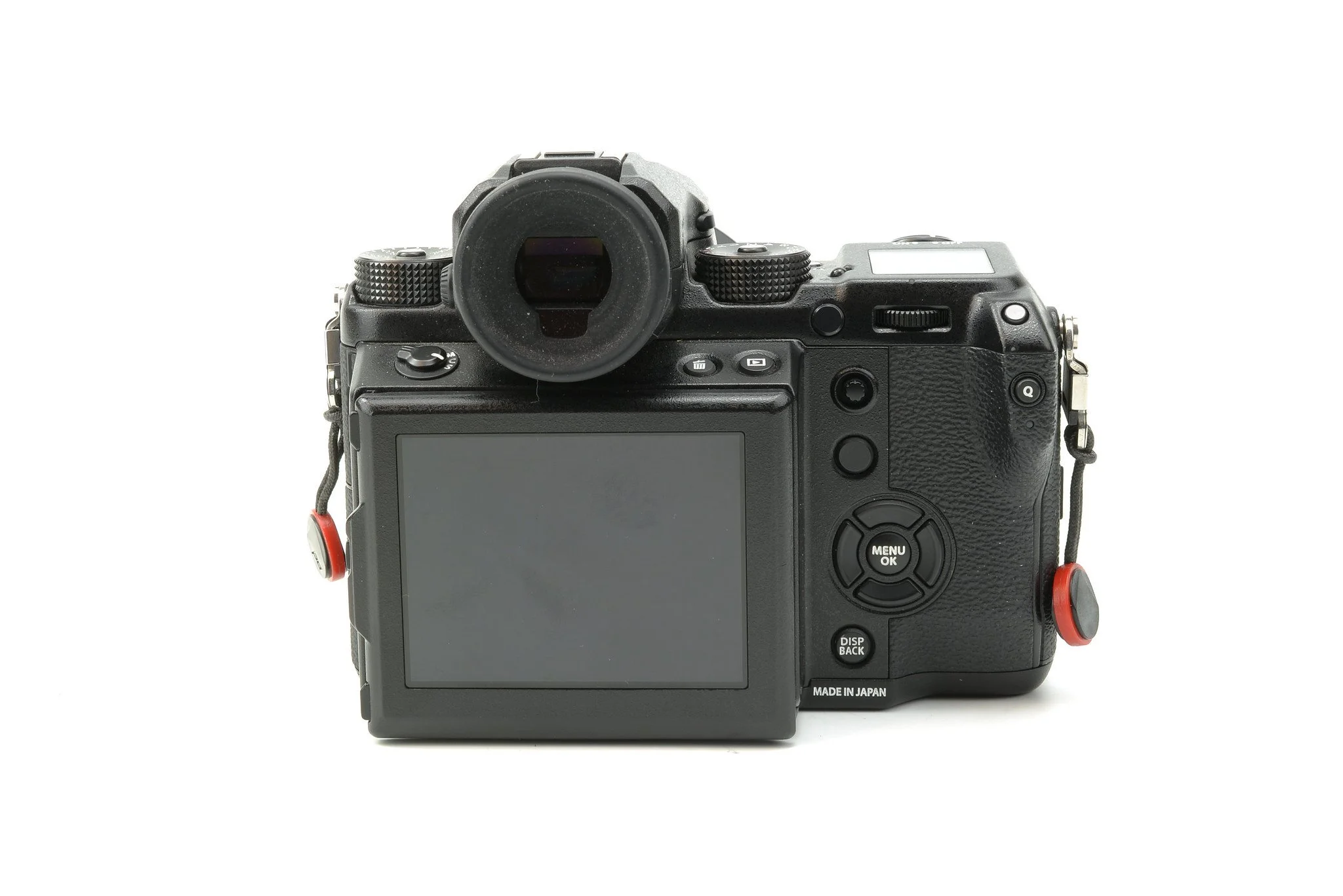
BONUS - below are some images of the 500 ELM and the GFX 50S, for the camera geeks like me that enjoy looking at cameras. :)